
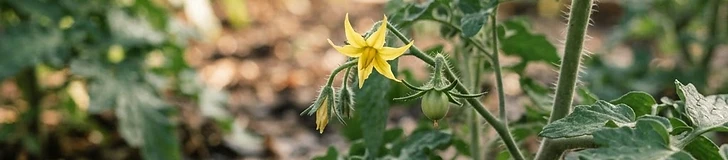
Seeing your tomato blossoms shrivel and fall off before fruit develops can be frustrating. This guide explains why this happens and how to coax your plants back into production.
The Temperature Trigger
The most common culprit for flower drop is extreme temperatures. Tomatoes are picky about their climate; they prefer daytime highs between 70°F and 85°F. When daytime temperatures consistently climb above 90°F, or nighttime lows stay above 75°F, the plant experiences heat stress. In these conditions, the pollen becomes sterile or fails to release, leading the plant to drop its flowers to conserve energy.
Humidity and Pollination
Tomatoes are self-pollinating, meaning they rely on vibrations to shake pollen from the male part of the flower to the female part. Humidity levels play a major role here. If the air is too dry, pollen may not stick properly; if it is too humid, the pollen becomes clumpy and heavy, failing to release. You can mimic natural pollination by gently shaking your tomato stakes once or twice a week to ensure the vibration travels through the blossoms.
Tip: If you are experiencing a heatwave in your region, provide temporary shade cloth during the hottest part of the afternoon to help your plants regulate their temperature.
Proper Watering Habits
Inconsistent moisture is a major stressor for Solanum lycopersicum. If your garden soil dries out completely, the plant prioritizes survival over reproduction. Follow these steps to maintain balance:
- Apply 1 to 2 inches of organic mulch around the base to keep soil temperatures cooler and moisture levels stable.
- Water deeply at the base of the plant early in the morning.
- Aim to keep the soil consistently damp, like a wrung-out sponge, rather than cycling between bone-dry and waterlogged.
Nutrient Balance
Finally, check your fertilization routine. While tomatoes love nitrogen for lush green leaves, an excess of it can actually delay fruit set. If you over-fertilize, the plant stays in 'growth mode' instead of switching to 'fruiting mode'. Switch to a balanced fertilizer, or one slightly higher in phosphorus and potassium, as soon as the first flowers appear.
With a little patience and better environmental management, your tomato plants will return to producing a healthy harvest.