

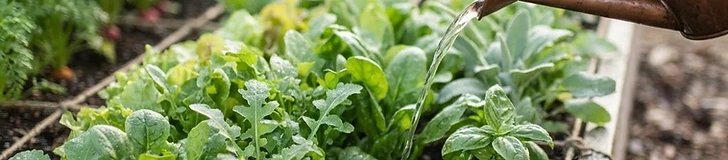
Because square-foot gardening packs more plants into a small space than traditional rows, maintaining consistent moisture and nutrient levels is the secret to a thriving harvest. This guide helps you manage these high-density requirements so your plants never compete for resources.
Mastering Moisture Consistency In a compact grid, soil dries out faster than in large garden patches because roots occupy every available cubic inch. Aim to keep the top 2 inches of soil consistently moist but not waterlogged. For most US regions, that means watering deeply 2–3 times per week, rather than light daily sprinkles. If your finger comes out dry after pushing it an inch into the soil, it is time to water.
Feeding High-Density Crops Because your plants are growing in close proximity, they quickly deplete soil nutrients. Use a balanced, slow-release organic fertilizer at the start of the season, followed by a liquid fish emulsion or seaweed extract every 3–4 weeks. Applying fertilizer directly to the soil near the base of the plant—avoiding the foliage—prevents leaf burn and ensures nutrients reach the root zone efficiently.
Smart Mulching Strategies Mulch is essential in square-foot beds to lock in moisture and regulate soil temperature. Apply a 1-inch layer of straw, shredded leaves, or wood chips between your plants.
When applying mulch to a dense grid, keep the material about an inch away from the main stems of your vegetable starts to encourage airflow and prevent moisture-related rot.
Tailoring to Plant Needs Not every square has the same thirst. Group plants with similar requirements together in your grid:
- Water-heavy crops like Solanum lycopersicum (tomatoes) and Cucumis sativus (cucumbers) should occupy the same corner.
- Leafy greens like Lactuca sativa (lettuce) prefer slightly cooler, shaded edges of the bed.
- Root vegetables like Daucus carota (carrots) benefit from consistent moisture to prevent splitting as they develop.