
Gardening in high-altitude or northern climates (USDA zones 3–6) often feels like a race against the calendar. By utilizing simple protective structures, you can jump-start your spring planting by several weeks and keep your harvest going well into the first hard frosts of autumn.
Understanding Cold Frames
A cold frame acts as a mini-greenhouse, using passive solar energy to warm the soil and protect young seedlings from freezing winds. Typically, these are low-profile boxes with a clear lid, such as an old window sash or polycarbonate sheet, propped over a garden bed. Because they trap heat, they are excellent for hardening off seedlings or starting hardy crops like Spinacia oleracea (spinach) and Lactuca sativa (lettuce) when outdoor temperatures are still hovering near 40°F.
Building Low Tunnels
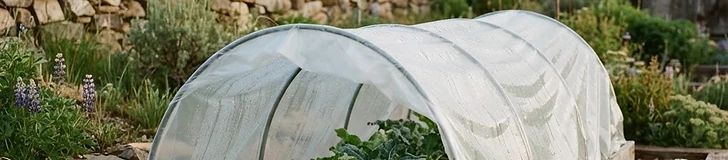
If you have long garden rows, a low tunnel—often called a hoop house—is more practical. You can build these by inserting flexible PVC or galvanized wire hoops into the ground every 3–4 feet. Simply drape agricultural row cover or clear greenhouse plastic over the hoops and secure the edges with soil or landscape staples. This creates a cozy microclimate that can keep plants 5–10°F warmer than the ambient air temperature.
Pro Tip: Always vent your cold frames and tunnels on sunny days when temperatures exceed 55°F; trapped heat can quickly bake your tender vegetables if the air circulation is poor.
Essential Setup Steps
To get the most out of your season-extending gear, follow these best practices:
- Orient your structure to face south to maximize sunlight intake during the short days of early spring.
- Keep your covers low to the ground to minimize the volume of air that needs to be heated.
- Secure your materials tightly; high-altitude regions often experience sudden, intense wind gusts that can shred thin plastic.
- Use a small thermometer inside your tunnel to monitor heat levels, aiming to keep your crops between 50°F and 75°F.
Selecting Hardy Crops
Focus your efforts on cold-tolerant vegetables that can handle the temperature fluctuations common in short-season zones. Varieties of Brassica oleracea like kale, collards, and broccoli thrive in the buffered environment of a tunnel, often remaining harvestable even after the first light snows of the season.
By mastering these simple temperature-shielding techniques, you will find that your growing season is limited more by your planning than by the weather forecast.