
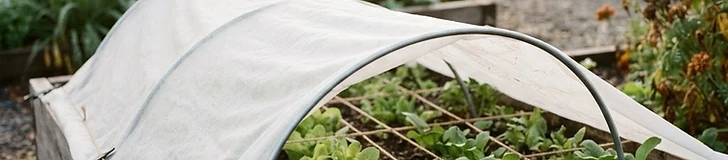
Extending your harvest season is easier than you think, even in a small square-foot garden. By using simple floating row covers, you can protect your crops from early frosts and keep them cozy during cooler shoulder-season nights. This technique creates a microclimate that adds several degrees of warmth, allowing you to plant earlier in the spring and harvest well after the first autumn chill.
Choosing the Right Material
The secret to success is using a lightweight, spun-bonded fabric. These materials are porous, meaning they allow sunlight, water, and air to reach your plants while trapping heat. Look for fabrics rated for specific frost protection, usually labeled by the number of degrees they guard against. In most US zones, a medium-weight cover is sufficient to protect hardy greens like Spinach or Kale down to about 28°F.
Installing Your Supports
Because square-foot grids are dense, you need to ensure the fabric doesn't crush your seedlings. You can easily construct simple hoop supports using:
- Flexible PVC pipe or wire greenhouse hoops bent into an arch.
- Garden staples or heavy rocks to secure the fabric edges tightly to the wooden frame of your grid.
- Clamps or clothespins to attach the fabric to the hoops, allowing for quick access when you need to harvest.
Always ensure the fabric is pulled taut over your hoops; loose, flapping covers can damage delicate foliage during windy spring storms and reduce the heat-trapping efficiency of your setup.
Managing the Microclimate
Once installed, remember that your garden is now a protected zone. On sunny days, temperatures under the cover can spike quickly, even in early spring. If daytime temperatures exceed 65°F, it is a good idea to lift one side of the cover to vent the heat and allow pollinators to enter if your plants are flowering. Check soil moisture weekly, as covered beds may lose water differently than open ones.
Troubleshooting Pests
Beyond temperature, physical barriers are your best line of defense against pests. If you notice cabbage worms or aphids in your grid, securing the edges of your row cover effectively stops moths from laying eggs on your crops. By creating a sealed environment, you eliminate the need for chemical interventions, keeping your high-density garden organic and healthy throughout the extended season.
With just a bit of fabric and a few hoops, you can transform your grid into a year-round food source.