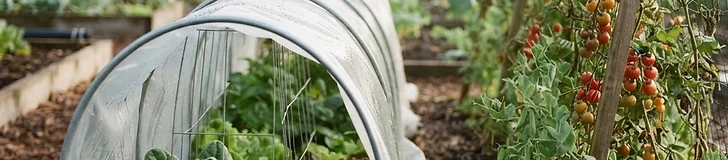
A backyard garden bed featuring a tall A-frame trellis covered in white frost fabric held down with metal pins on a cool autumn morning.Vertical Gardening

Extended Harvests: Mastering Vertical Cold Protection

2 min read 371 words

Learn how to combine vertical trellising with low-tunnel technology to keep your garden producing well into the frost season.

Extending your growing season doesn't require a heated greenhouse; by combining vertical structures with simple protective covers, you can shield frost-sensitive crops from early autumn chills or jumpstart spring production in zones 5 through 8. You will learn how to create a climate-controlled micro-environment using existing trellising to keep plants thriving when temperatures dip toward 32°F.

Assessing Your Vertical Space To effectively protect plants, your vertical supports must be sturdy enough to hold both the weight of the vegetation and the tension of a protective cover. A-frame trellises or cattle panels are ideal, as they provide a natural frame for draping materials. Ensure your structure is securely staked into the ground; wind resistance increases significantly once a cover is applied.

Choosing the Right Materials For vertical frost protection, look for row cover fabric (also known as frost blanket). This lightweight, breathable material allows sunlight and water through while trapping heat near the plant foliage.

  1. Use medium-weight fabric (0.9 to 1.5 oz) for temperatures down to 28°F.
  2. Secure edges with garden staples or heavy stones to prevent drafts.
  3. Use binder clips to attach the fabric directly to your trellis wires or wooden slats.

Pro-tip: Always remove your covers during sunny, mild afternoons if temperatures rise above 50°F to prevent overheating and encourage pollination for species like Cucumis sativus.

Managing Airflow and Humidity When your plants are encased in fabric, ventilation becomes critical to prevent fungal diseases like powdery mildew. If you are covering an A-frame, leave the bottom 6 inches of the trellis partially open or fold back the edges during the day. This simple action manages moisture levels, ensuring your plants remain healthy despite the protected, humid environment.

Timing Your Installations Start by monitoring your local average first frost date. For crops like Phaseolus vulgaris (pole beans) or Solanum lycopersicum (tomatoes), install your covers about a week before the first predicted frost. In the spring, you can set out seedlings earlier by installing the covers as soon as the soil is workable, typically when daytime temperatures consistently reach 50°F. By layering vertical support with smart shielding, you can effectively add three to four weeks to the beginning and end of your gardening season.

Watch & learn

Curated variety-trial and pest-ID videos related to this article.

How to Use Frost Cloth to Protect Your Garden

Open
#Vertical Gardening#Season Extension#Frost Protection#Fall Gardening

More in Vertical Gardening

We use a couple of cookies to keep you signed in and remember your settings — no tracking ads, and we never sell your data. Read our privacy policy.