
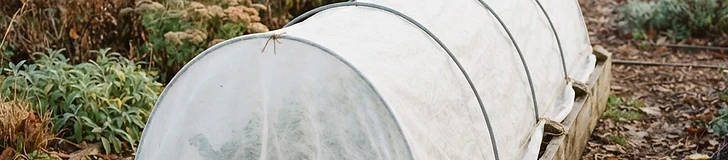
As the days grow shorter and temperatures begin to dip, many gardeners resign themselves to the end of the harvest. However, you can significantly extend your growing season by shielding your plants from the biting cold of the first frost. Whether you are in USDA Zone 5 dealing with early October freezes or in Zone 9 managing unexpected dips, a little bit of protection goes a long way toward keeping your garden productive.
Understanding Frost and Your Plants
Frost occurs when surface temperatures reach 32°F or lower. This can cause the water inside plant cells to freeze and expand, often resulting in ruptured cell walls and the tell-tale black, wilted appearance of frost-damaged foliage. Cool-season crops like kale, spinach, and carrots can handle light frosts, but warm-season favorites like tomatoes, peppers, and cucumbers are highly sensitive. By deploying simple barriers, you can trap soil heat and create a microclimate that keeps plants several degrees warmer than the surrounding air.
The Power of Floating Row Covers
Floating row covers are lightweight, semi-transparent fabrics made of spun-bonded polyester or polypropylene. They are a staple for any home gardener because they are incredibly versatile. You can drape them directly over your plants, though using wire hoops or PVC arches is much more effective. The structure keeps the fabric off the leaves, allowing for better airflow and preventing physical damage. A medium-weight row cover can provide 4 to 8 degrees of protection. Because these fabrics are breathable, they allow sunlight and water to reach your plants, meaning you can often leave them in place for days at a time.
Cloches for Individual Protection
If you have a few prized plants that need extra attention, cloches are your best friend. Historically made of glass bell jars, modern cloches are often repurposed plastic jugs or specialized garden cones. A simple DIY cloche can be made by cutting the bottom off a clear plastic gallon jug and placing it over a pepper plant or a late-season lettuce start. During the day, you must remove the cloche or at least unscrew the cap to prevent the interior from overheating under the sun, as temperatures inside can skyrocket quickly. At night, the cloche acts as an insulator, trapping the heat that radiated from the soil during the day.
The Cold Frame: Your Mini Greenhouse
For the dedicated gardener looking to keep crops growing through the depth of winter, a cold frame is the gold standard. A cold frame is essentially a bottomless box with a transparent lid, placed directly over a garden bed or resting on the soil. It acts like a low-profile greenhouse. You can build one from untreated lumber and an old window sash, or purchase a pre-made polycarbonate unit. The frame protects plants from wind and frost, while the glass or plastic top absorbs solar radiation. By placing your cold frame against a south-facing wall, you can maximize heat retention. It is perfect for starting spring seedlings early or keeping hardy greens harvested until the ground freezes solid.
Practical Tips for Success
- Always secure your row covers with heavy rocks or landscape staples to prevent wind from blowing them away.
- Water your plants before a predicted frost; moist soil actually conducts heat better than dry soil and will radiate warmth upward throughout the night.
- If using plastic covers, ensure they do not touch the leaves, as the freezing plastic can conduct cold directly to the plant tissue.
- Monitor the weather daily; remove covers during sunny, mild days to encourage pollinators and prevent fungal diseases caused by excess humidity.
- Label your plants that are under covers so you do not accidentally damage them when you reach in to inspect or harvest.
Quick takeaway
Using simple physical barriers like row covers and cloches creates a vital insulation layer that protects your plants from overnight freezes and extends your harvest window.