
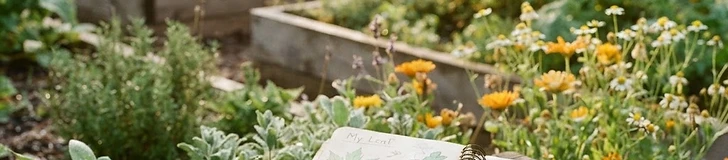
Transform your outdoor space into an interactive classroom by turning simple garden tasks into discovery-based play. This guide will help you teach children how to observe ecosystems closely through structured exploration and recording, even in small urban plots.
The Scavenger Hunt
Design a scavenger hunt to focus attention on garden details that are often missed. Tailor your list based on your USDA zone and the current season. For a spring hunt, search for specific signs of growth such as the first Tulipa shoots or the appearance of native pollinators. Use a simple checklist that includes items like:
- A leaf with jagged edges
- A smooth gray stone
- A pollinator visiting a flower
- A patch of moss that feels like velvet
Nature Journaling
Start a nature journal to help children document their observations. Use a blank notebook and provide colored pencils or crayons. Encourage them to draw plants and insects in their natural state rather than focusing on artistic perfection. Recording the weather, such as an air temperature of 75°F, or the date of a first harvest, creates a long-term connection to their local environment.
Keep your journals protected from garden soil by tucking them into a large clear plastic bag while outdoors, or use a clipboard with a heavy-duty plastic cover.
Micro-Habitat Discovery
Explore micro-habitats by looking beneath the surface. Lift a piece of mulch or an upturned pot to find the hidden world of beneficial decomposers. Show children how to carefully replace these items after a brief observation to keep the micro-climate protected. It is an excellent way to teach respect for the creatures that build healthy soil.
Categorizing Finds
Use the collection method to teach classification without removing life from the garden. Instead of picking flowers or capturing insects, have children sketch them or photograph them with a parent’s phone. Create a simple sorting system where they categorize their finds by:
- Texture (rough, smooth, fuzzy)
- Color (primary colors found on leaves or blooms)
- Role (e.g., an insect that flies versus one that crawls)
Regularly spending just 15 minutes a week in the garden will foster a lifelong appreciation for nature and the patience required for successful home gardening.