
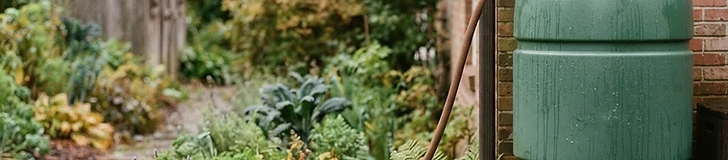
Harvesting rainwater is a smart way to supplement irrigation during the dry summer months. By understanding the relationship between your roof area and annual rainfall, you can determine exactly how much water your garden can capture to keep your vegetables and ornamentals thriving when temperatures climb above 85°F.
Calculate Your Collection Potential
Your Catchment Area is the footprint of your roof, not the slope. Every 1 inch of rain falling on 1,000 square feet of roof surface yields approximately 600 gallons of water. To estimate your specific yield, multiply your roof's square footage by 0.623 and then by the inches of rain expected in your region.
Assess Your Garden Requirements
Most home vegetable gardens in USDA zones 5 through 9 require about 1 inch of water per week during peak growth. If you are gardening in a raised bed spanning 100 square feet, you need roughly 62 gallons of water weekly. A single standard 50-gallon rain barrel will provide a significant boost but is rarely enough for a full-season supply, so consider daisy-chaining multiple barrels together.
Tip: Position your catchment system on the side of the house closest to your thirsty crops, like tomatoes or peppers, to minimize the distance you need to haul heavy watering cans.
Sizing Your Storage
When selecting your Storage Capacity, balance your space constraints with your local climate:
- 50 to 100 gallons: Ideal for small balcony gardens or patio containers.
- 200 to 500 gallons: Better for moderate suburban plots where you need a buffer during dry spells.
- Over 500 gallons: Necessary for serious homesteaders or areas with long, predictable dry seasons.
Planning for Overflow
Always account for Overflow Management when sizing your system. Heavy downpours can quickly overwhelm a small barrel. Install a diverter kit that directs excess water away from your home's foundation and into a mulch-filled swale or a dedicated rain garden filled with moisture-loving native plants like Lobelia cardinalis. This ensures your garden benefits from the excess without risking water damage to your home.