
Transforming your garden into a productive tropical sanctuary is easier than you think, even if you are just starting out. By selecting the right high-yield crops, you can enjoy a continuous harvest of nutrient-dense produce tailored to warmer climates.
Growing Bananas
Bananas (Musa spp.) are the crown jewels of the tropical garden. While they require significant space, they are incredibly rewarding. Plant them in rich, well-draining soil in a location protected from strong winds. They thrive in temperatures above 60°F and need consistent moisture. Ensure your soil remains mulched to retain hydration and provide a steady supply of nitrogen-heavy fertilizer throughout the growing season.
Tropical Root Crops
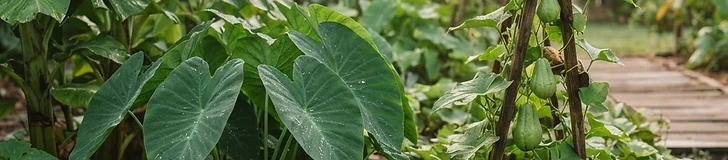
Taro (Colocasia esculenta) and sweet potatoes (Ipomoea batatas) are excellent choices for beginners. Taro prefers moist, almost boggy conditions and partial shade. Conversely, sweet potatoes are sun-lovers that thrive in well-drained, sandy loam.
- Plant sweet potato slips 12 inches apart in mounds.
- Keep soil consistently moist until vines establish.
- Harvest tubers once the leaves begin to yellow in late autumn.
Pro-tip: Always harvest sweet potatoes on a dry day to ensure the skins cure properly, which significantly extends their shelf life during storage.
The Versatile Chayote
Chayote (Sechium edule) is a vigorous vining squash perfect for vertical gardening. Because it is a prolific grower, provide a sturdy 6-foot trellis or fence for it to climb. In USDA zones 9–11, this perennial vine can produce hundreds of fruits in a single season. It prefers afternoon shade in the hottest climates to prevent leaf scorch and requires weekly deep watering to support its heavy fruit set.
Maintaining Soil Health
Managing these heavy feeders requires a consistent routine of organic matter application. Apply a thick layer of compost every spring to replenish nutrients lost during the rapid growth cycles of these tropical species. Keep the soil pH between 5.5 and 7.0 for optimal nutrient uptake across all these varieties.
Start small by picking one of these crops to master this season, and watch your tropical garden thrive.