
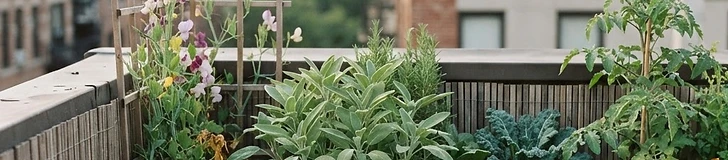
Transforming a barren rooftop into a productive garden requires careful planning to ensure your plants thrive without compromising your home's structure. In this guide, we cover the essentials of weight, containers, and environmental protection for high-rise horticulture.
Structural Weight Limits
Before you haul up bags of soil, verify your building’s load-bearing capacity. Rooftops are engineered for specific weight loads, and saturated soil is surprisingly heavy—often weighing over 100 pounds per cubic foot. Consult a structural engineer or your building manager to determine your limit, especially if you live in older buildings or areas subject to heavy winter snow loads.
Choosing Containers
Because weight is a primary concern, use lightweight containers instead of heavy terra cotta or stone. Fabric grow bags or high-density plastic pots are excellent choices for urban rooftops. Regardless of material, ensure every container has adequate drainage holes to prevent root rot during heavy rains. Grouping containers together can also help create a microclimate that retains moisture better than isolated pots.
Always place your heaviest containers directly over structural support beams or load-bearing walls rather than in the center of a rooftop span to distribute weight safely.
Managing Wind Exposure
High-altitude winds are the rooftop gardener's greatest enemy, as they accelerate dehydration and can tip over top-heavy plants. To combat this, install windbreaks such as lattice screens, heavy-duty netting, or hardy ornamental grasses like Calamagrostis. If you live in USDA Zones 5 or 6, choose wind-tolerant varieties like Swiss chard or bush beans that won't snap under pressure.
Irrigation Basics
Plants on a roof face constant exposure to sun and drying winds, meaning they require frequent irrigation. In the height of summer, when temperatures exceed 85°F, check your soil moisture daily. A simple drip irrigation system connected to an outdoor spigot can save you hours of hand-watering and ensure consistent growth for your vegetables.
Start small with a few containers to test your space's specific sun and wind patterns before committing to a full-scale rooftop installation.