
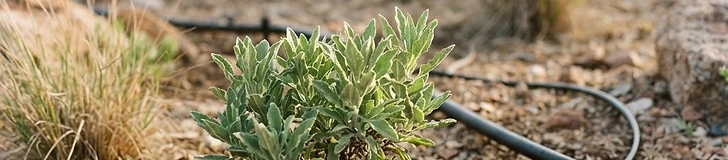
In high-heat environments, traditional overhead watering often leads to massive water loss through evaporation before it ever hits the soil. By switching to a drip irrigation system, you deliver moisture directly to the root zone, ensuring your plants survive triple-digit summer temperatures while conserving every precious drop. This guide covers the basics of setting up a low-flow system for your arid oasis.
Why Drip Matters for Dry Climates In regions with low humidity and high heat, soil dries out in a matter of hours. Surface watering promotes shallow root systems that are vulnerable to heat stress. Drip irrigation functions by emitting water slowly, allowing it to penetrate deep into the soil profile—often 12 to 18 inches down—which encourages roots to grow deeper where temperatures are more stable.
Essential Components for Success To build a basic system for your landscape, you will need a few foundational pieces:
- Pressure regulator: Essential for preventing blowouts in the tubing.
- Emitter tubing: Pre-spaced drip lines that distribute water evenly.
- Stakes: To hold the line in place against wind and shifting desert soil.
- Digital timer: Automates watering for early morning hours when evaporation rates are lowest.
Installation and Maintenance 1. Clear the area around your plants and remove any surface mulch.
- Connect the system to your spigot using a backflow preventer and pressure regulator.
- Lay your tubing in a grid or circle around the base of your plants, keeping it at least 6 inches away from the main stems to prevent rot.
- Cover the tubing with a 2-inch layer of organic mulch to protect the plastic from UV degradation in the intense desert sun.
Always test your system for leaks before burying the lines under mulch; even a small pinhole can waste hundreds of gallons of water over the course of a hot season.