
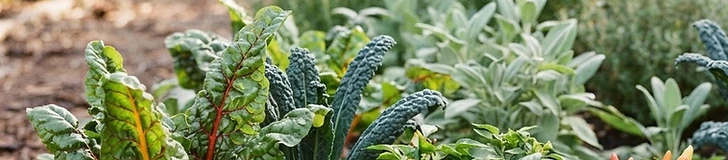
Foodscaping allows you to bridge the gap between traditional landscaping and vegetable gardening. By selecting plants that offer both culinary value and aesthetic appeal, you can enjoy a harvest that looks just as stunning as your decorative shrubs. This guide explores how to weave edible beauty into your existing garden beds.
The Drama of Swiss Chard
Beta vulgaris var. cicla, known as Swiss chard, is a visual powerhouse. With vibrant, neon-colored stalks in red, gold, and white, it creates a striking focal point. Plant these in groups of three to five for a bold effect. They perform well in USDA zones 3–10 and prefer cooler temperatures, though they are quite heat-tolerant once established. For the best display, space them about 12 inches apart to allow the crinkly, glossy leaves to fill in the gaps between flowers.
Texture and Color with Kale
Kale (Brassica oleracea) offers intricate, ruffled, and sometimes serrated foliage that adds depth to any border. Varieties like 'Lacinato' provide a sophisticated, dark blue-green, architectural look, while 'Redbor' adds deep purple hues. Kale thrives in temperatures between 55°F and 75°F.
For the best visual impact, place taller varieties of kale in the back of your garden bed and use shorter, frilly varieties along the edge as a living border.
The Brilliance of Peppers
Beyond their culinary use, peppers (Capsicum annuum) act as flowering shrubs. When loaded with fruit, ornamental or standard bell peppers provide flashes of bright red, yellow, or even chocolate-brown. They require full sun and consistent soil moisture. In zones 4–7, treat them as annuals; in zones 8–11, some may persist longer. Plant them 18 inches apart among low-growing flowers to ensure their colorful fruit stands out.
Tips for Garden Integration
When mixing edibles and ornamentals, keep these design principles in mind:
- Ensure your chosen plants have matching sunlight and water requirements.
- Use mulched pathways to keep your food-producing zones accessible.
- Fertilize with organic compost rather than harsh chemicals, as these plants are meant for your table.
Start small by replacing a few annual flowers with these structural edibles this season to see how they elevate your backyard aesthetic.