
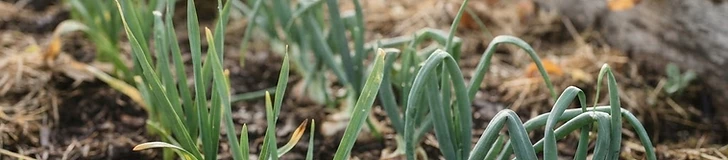
Planting onions in the fall allows gardeners in mild climates or those willing to use protective covers to harvest sweet, crisp onions weeks before their spring-planted counterparts. By establishing roots before the ground freezes, these plants hit the ground running as soon as temperatures rise.
Selecting Your Varieties
Choosing the right overwintering onion is critical. In the US, look for short-day or day-neutral varieties specifically labeled for fall planting. Varieties like Allium cepa 'Walla Walla' or 'Yellow Granex' are traditional favorites. If you live in USDA zones 6 or colder, you must select cold-hardy cultivars or plan to use row covers to ensure the young plants survive the winter chill.
Timing Your Planting
Timing is everything when planting alliums in autumn. You want the plants to establish a strong root system, but you do not want them to grow too large before the first hard frost.
- Aim to plant roughly 4 to 6 weeks before your average first frost date.
- Place sets or transplants about 4 to 6 inches apart.
- Ensure the soil is loose and well-draining to prevent bulb rot during wet winter months.
Pro tip: Apply a 2-inch layer of straw mulch after the ground freezes to prevent the soil from heaving during freeze-thaw cycles, which can expose tender roots.
Preparing the Bed
Proper soil preparation provides the fuel for vigorous spring growth. Onions are heavy feeders but prefer light, friable soil to allow bulbs to expand without resistance. Work in a generous amount of compost before planting. Avoid adding high-nitrogen fertilizers in late fall, as this encourages soft, leafy growth that is highly susceptible to winter damage.
Maintenance Through Winter
Once established, fall-planted onions require very little attention. If you live in a drier region, monitor soil moisture; even in winter, onions appreciate consistent, light hydration. As spring approaches and temperatures hit 50°F, you will see a surge in growth. Remove any heavy winter mulch once the threat of extreme sub-zero temperatures passes to allow the soil to warm up and the bulb to begin its final swell.
With a bit of planning this autumn, you will be pulling your first homegrown onions from the earth just as the rest of the garden is waking up.