
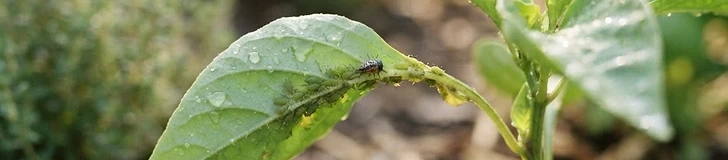
Gardening is a journey of patience, observation, and occasional frustration. As any seasoned grower in the United States knows, the difference between a bountiful harvest and a decimated vegetable patch often comes down to timing. When it comes to pest control, waiting until you see widespread damage is waiting too long. By the time you notice yellowing leaves or wilting vines, the insect population has likely already established a stronghold. Early detection is your most effective tool for maintaining a healthy garden ecosystem.
The Art of Scouting
To catch pests early, you must become a regular visitor to your garden. Many novice gardeners only inspect their plants when watering or weeding, but a dedicated scouting session at least twice a week is vital. During these visits, look closely at the undersides of leaves, the junctions where stems meet the main stalk, and the soil surface near the base of the plant. Pests like aphids and spider mites often hide in these sheltered spots to avoid the harsh midday sun and predators.
Identifying Common Culprits
Aphids are perhaps the most common nuisance for US gardeners. These tiny, pear-shaped insects cluster on new growth and flower buds. If you see ants marching up and down your plant stems, look closer; the ants are often 'farming' aphids for their honeydew. Spider mites, on the other hand, are nearly invisible to the naked eye. Look for fine, silky webbing stretched between leaves or a speckled, stippled appearance on the foliage. These pests thrive in hot, dry conditions, making them a major concern in warmer zones.
Monitoring the Soil and Roots
Not all pests crawl; some live right beneath your feet. If a healthy-looking plant suddenly collapses or begins to wilt despite moist soil, you may have subterranean invaders. Fungus gnat larvae feed on roots and organic matter in damp, indoor or greenhouse conditions, while cutworms can sever young seedlings at the soil line overnight. Digging a few inches into the soil around a struggling plant can reveal these hidden threats before they move on to the next victim.
Understanding Life Cycles
Pest prevention is closely tied to understanding life cycles. Many insects pass through a larval stage where their feeding is most destructive. For example, the cabbage looper or imported cabbage worm starts as a tiny egg on the underside of brassica leaves. If you catch these eggs or newly hatched larvae early, you can simply hand-pick them before they grow into voracious eaters that can skeletonize a kale plant in days. Knowledge of which pests prefer which crops allows you to focus your inspection efforts where they are most needed.
Practical tips
- Always carry a magnifying glass to check for tiny eggs and small mites on the undersides of leaves.
- Use yellow sticky traps to identify early arrivals of flying insects like whiteflies or fungus gnats.
- Water your plants at the base early in the morning, which keeps foliage dry and makes the environment less hospitable to many fungal issues and moisture-loving pests.
- Encourage beneficial insects like ladybugs, lacewings, and parasitic wasps by planting native flowers nearby.
- Clean your garden tools between beds to prevent the accidental transfer of eggs or larvae from one area to another.
- Rotate your crops annually to break the life cycles of soil-dwelling pests that rely on specific plants.
Quick takeaway
Regular observation and early intervention turn garden management from a reactive chore into a proactive success.