
Gardening at high altitudes presents unique challenges, primarily the brevity of the frost-free season. By understanding your specific microclimate and frost dates, you can successfully cultivate a productive garden despite the short window between freezes.
Understanding Frost Dates Your frost-free window is the period between the last spring frost and the first autumn freeze. At higher elevations, this window is often compressed into just 60 to 90 days. To find your local dates, search for your nearest USDA weather station data or check local university extension services. Keep in mind that a difference of only a few hundred feet in elevation can change your last frost date by weeks.
Choosing Short-Season Varieties Select plant varieties specifically bred for short-season endurance. Look for labels on seed packets that indicate "days to maturity." For high-altitude zones, aim for the following:
- Vegetables that mature in 70 days or fewer, such as Raphanus sativus (radish) or Lactuca sativa (lettuce).
- Determinate tomato varieties that set fruit quickly before temperatures drop.
- Cold-hardy crops like Brassica oleracea (kale and broccoli) that thrive in cooler mountain air.
Always keep a roll of frost cloth or old bedsheets handy; covering your tender seedlings when a surprise overnight dip is forecast can save your entire crop from a late spring frost.
Utilizing Season Extenders You can artificially lengthen your growing season by using physical barriers. Season extension tools protect plants from wind, low ambient temperatures, and light frost.
- Cold frames: Simple boxes with clear lids that trap solar heat.
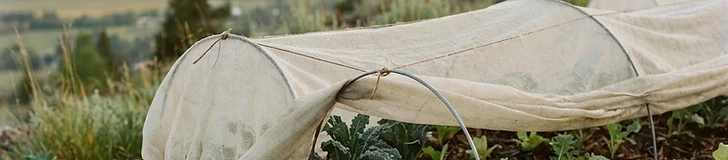
- Row covers: Lightweight fabrics that allow light and water through but hold heat near the soil surface.
- Wall-o-Water: Water-filled plastic cylinders that surround individual plants, providing thermal mass to keep them warm through freezing nights.