
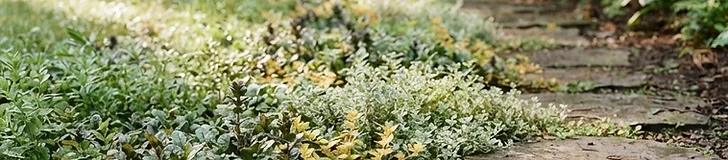
Transitioning your lawn away from thirsty turfgrass is a rewarding way to reduce maintenance while boosting local biodiversity. This guide explores hardy groundcovers that create lush, living carpets without the weekly grind of a mower.
Sun-Loving Stars For areas receiving at least six hours of direct sunlight daily, focus on drought-tolerant species that establish quickly.
- Thymus serpyllum (Creeping Thyme): Perfect for foot traffic, this plant grows just 2–3 inches tall and releases a lovely fragrance when stepped on.
- Phlox subulata (Creeping Phlox): A spring bloomer that creates a vibrant, mat-forming display in USDA zones 3–9.
- Sedum spurium (Dragon's Blood Sedum): An incredibly tough succulent that thrives in poor, rocky soil and extreme heat.
Shade-Friendly Choices If your yard has spots where grass simply refuses to grow, look to plants that thrive in dappled light or full shade.
- Ajuga reptans (Bugleweed): A vigorous grower that tolerates deep shade and offers beautiful purple or variegated foliage.
- Pachysandra terminalis (Japanese Spurge): A classic, evergreen choice for northern gardens (zones 4–8) that handles dry shade better than almost any other groundcover.
- Vinca minor (Periwinkle): A reliable, low-growing vine that provides consistent dark green foliage year-round and lovely blue flowers in early spring.
Always clear away existing weeds and grass before planting your new groundcover; root competition from aggressive turf can overwhelm young transplants during their first growing season.