
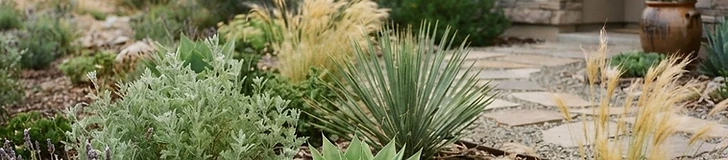
Ditching the traditional grass lawn for a non-irrigated landscape is a rewarding way to save water while boosting your home’s curb appeal. By choosing the right plants and design strategies for your specific climate, you can create a vibrant front yard that survives—and thrives—solely on natural rainfall. This guide covers how to transition to a zero-water-input design.
Assess Your Microclimates
Even within a small front yard, your garden will have distinct areas of sun and shade. Before purchasing plants, track your yard’s light exposure for one week. Areas receiving over six hours of direct sun are perfect for heat-loving natives, while corners blocked by the house or trees may retain moisture longer. Mapping these zones ensures you place drought-tolerant species where they will actually succeed rather than struggle against the elements.
Choose Your Palette
Select plants adapted to your specific USDA zone. For dry landscapes, emphasize xeric perennials that store water in their leaves or roots.
- Agastache (Hummingbird Mint) for color and pollinators
- Sedum varieties for hardy ground cover
- Festuca glauca (Blue Fescue) for texture
- Artemisia for silver foliage that reflects intense heat
Pro Tip: Always purchase young, nursery-grown plants, and install them in the fall or early spring to allow their root systems to establish before the peak heat of summer arrives.
Implement Mulching Techniques
Bare soil loses moisture quickly to evaporation and allows weeds to steal resources from your desired plants. Applying a thick, 3-inch layer of organic mulch—such as wood chips or pine needles—keeps roots cool when temperatures soar above 90°F. For a sleek, modern look, many gardeners use decorative gravel or decomposed granite. Ensure the mulch doesn't pile up directly against plant stems to avoid rot.
Focus on Deep Rooting
In a no-irrigation setup, plants must be encouraged to grow deep, expansive root systems to find moisture deep underground. Avoid frequent, shallow watering. Even in the establishment phase, provide deep soakings only once every two weeks. This "tough love" training forces the plants to hunt for water, resulting in a landscape that is remarkably resilient during long dry spells. Once established after the first full year, these plants will require no additional water to maintain their health.
Start small by converting one section of your yard this season and expand once you see how well these resilient varieties handle your local weather patterns.