
Selecting the right lighting is the most critical step to successfully growing healthy indoor plants, especially if you live in cooler USDA hardiness zones where natural light wanes in winter. This guide covers how to choose effective equipment and manage timing to mimic the natural outdoor environment.
Understanding Full-Spectrum LEDs
Full-spectrum LEDs are the gold standard for indoor gardening because they replicate the entire electromagnetic spectrum of the sun. Unlike older, inefficient bulbs, modern LEDs provide the specific red and blue wavelengths necessary for photosynthesis while remaining cool to the touch. When shopping, look for fixtures that clearly list a "full-spectrum" output, which ensures your Ficus or Basil receives the balanced energy needed for both foliage growth and blooming.
Determining Light Placement
To maximize effectiveness, place your LED panels or bulbs 6 to 12 inches above the canopy of your plants. As plants grow taller, you must adjust the height to prevent leaf burn or light deficiency. If your plants look leggy or reach toward the source, move the light closer; if leaves begin to yellow or curl, the light is likely too intense and should be raised by a few inches.
For most indoor foliage plants, an average temperature of 68°F to 75°F is ideal; if your grow lights emit significant heat, ensure you have consistent airflow to prevent the foliage from drying out.
Setting the Perfect Schedule
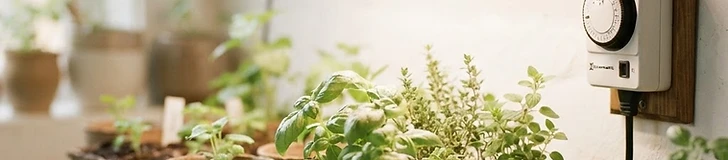
Consistent light cycles are just as important as intensity. Plants rely on a day-night rhythm to process nutrients. Using a plug-in timer is the easiest way to ensure reliability:
- Seedlings and vegetative leafy greens: 14 to 16 hours of light per day.
- Flowering or fruiting plants: 10 to 12 hours of light per day.
- Dormant or slow-growing species: 8 to 10 hours of light per day.
Monitoring Plant Health
Regular observation is your best tool. Watch for signs of stress, such as bleached spots or drooping leaves, which indicate that your lighting duration or intensity needs a quick adjustment. By maintaining a steady schedule, you can create a reliable microclimate that supports year-round growth regardless of the weather outside your window. Start with a 12-hour baseline and adjust based on your specific plant's response over two weeks.