
Managing pests doesn't require a trip to the hardware store for toxic chemicals. By using Integrated Pest Management (IPM), you can protect your vegetables and flowers by working with the natural systems already present in your yard. This guide shows you how to prioritize prevention over reaction.
Encourage Beneficial Predators
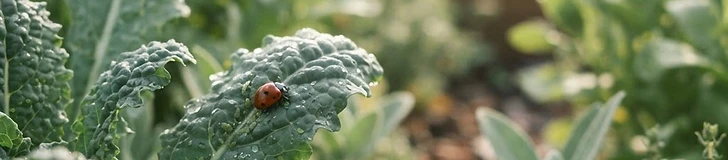
The most effective defense is a squad of beneficial insects. Ladybugs, lacewings, and parasitic wasps feed on common garden nuisances like aphids and mites. To keep them in your garden, avoid broad-spectrum pesticides, which kill these allies alongside pests. Instead, plant diverse flowers like dill, yarrow, and sweet alyssum to provide the nectar and pollen these predators need to thrive.
Build Resilient Soil
Healthy plants have a natural immune system. Focus on soil health by adding two to three inches of compost annually. When plants grow in nutrient-dense soil, they develop stronger cell walls and are better equipped to withstand minor pest pressure. If your garden is in USDA Zones 5 through 9, ensure your soil temperatures stay moderated with organic mulch to reduce plant stress during the heat of summer.
Inspect your plants weekly, specifically looking under the leaves where aphids and spider mites like to congregate before they spread across your entire crop.
Practice Physical Exclusion
Sometimes the best strategy is simply keeping pests away. Use physical barriers to protect vulnerable seedlings. Floating row covers—lightweight, breathable fabrics—can be placed over your brassicas or lettuces to physically block cabbage moths and flea beetles from laying eggs on your crops. Ensure the edges are buried or weighed down to prevent insects from crawling underneath.
Rotate and Interplant
Pests often specialize in specific plant families. By rotating crops, you break the lifecycle of insects that overwinter in the soil waiting for their favorite food. Never plant tomatoes or peppers in the same spot for two consecutive seasons. Additionally, try interplanting aromatic herbs like basil or mint between vegetable rows to confuse pest scent-detection, making it harder for them to find their targets.
Consistent observation and preventive care are your strongest tools for maintaining a productive, chemical-free garden all season long.