

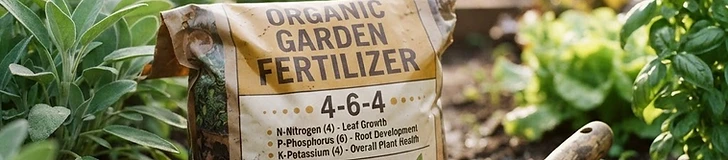
Understanding what is inside your fertilizer bag is the first step toward growing healthier vegetables and stronger plants. By mastering the N-P-K ratio, you can move past guesswork and provide the specific nutrients your soil requires for maximum growth. Each number represents the percentage by weight of the three primary macronutrients: Nitrogen (N), Phosphorus (P), and Potassium (K). Nitrogen promotes lush, leafy green growth, making it essential for lettuce, spinach, and kale. If you notice yellowing leaves in early spring, your soil may be low on this element. Phosphorus is the engine behind root development and fruit production. This is the nutrient to focus on for tomatoes, peppers, and beans. Potassium supports overall plant health, acting like an immune system booster that helps plants withstand extreme temperatures and disease. > Pro-tip: Always perform a soil test before applying high-phosphorus fertilizers, as excess amounts can run off into local waterways and fail to benefit your plants. 1. Find the three numbers on the front of the bag, such as 10-10-10 or 5-10-5. 2. Compare these numbers to your plant’s specific needs; heavy feeders like corn require high nitrogen, while flowering crops prefer higher phosphorus. 3. Look for the 'guaranteed analysis' on the back label to see if the fertilizer includes micronutrients like calcium or magnesium, which are vital for preventing blossom end rot. When applying fertilizer, remember that more is not better. Over-fertilizing can lead to 'fertilizer burn,' which manifests as brown, scorched leaf margins. For most gardeners in USDA zones 3–9, applying a balanced, organic slow-release granular fertilizer in early spring—when soil temperatures reach 50°F—is a safe and effective way to fuel your garden throughout the season. Always water your plants immediately after application to help the nutrients move into the soil and reach the root zone. Matching your fertilizer choice to your specific crop’s growth stage ensures a bountiful harvest every single time.
 Fertilizers
Deciphering Fertilizer Labels: Mastering the N-P-K Code
2 min read 314 words
Learn how to read the three-digit N-P-K code on fertilizer bags to give your garden exactly what it needs to thrive.
Watch & learn
Curated variety-trial and pest-ID videos related to this article.
How to Read Fertilizer Labels
Open#Fertilizers#Gardening Basics#Soil Health#Vegetable Gardening