
Properly curing your harvest is the most critical step in transitioning your fresh alliums from the garden to the pantry. By following a controlled drying process, you protect your crop from mold and fungal rot that often plagues improperly stored bulbs. This guide helps you maximize your storage life regardless of your USDA zone.
Timing the Harvest
Before curing, ensure your crop is ready. For Allium cepa (onions), wait until 50-75% of the tops have fallen over naturally. For Allium sativum (garlic), harvest when the bottom two to three leaves have turned brown. Lifting bulbs too early leads to shriveled skins, while waiting too long leaves the bulb vulnerable to soil-borne pathogens.
The Curing Environment
To cure successfully, bulbs need consistent airflow and protection from direct sunlight. High humidity and heat are your enemies, as they encourage bacterial growth.
- Choose a location with excellent ventilation, such as a porch or a dry shed.
- Keep temperatures between 70°F and 80°F for the first two weeks.
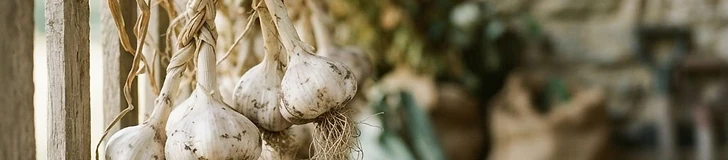
- Ensure the bulbs are laid out in a single layer or hung in loose bundles to prevent moisture buildup between layers.
Avoid washing your alliums with water before curing; instead, gently brush off excess soil by hand to keep the outer layers as dry as possible for long-term preservation.
Identifying Readiness
Curing is complete when the outer layers of skin feel papery and dry to the touch. You will notice three specific physical changes signaling the bulbs are ready for storage:
- The neck of the bulb should be tight and hard, with no signs of moisture.
- The roots should be brittle and easily trimmed with garden shears.
- The outer skins should crinkle easily when gently squeezed.
Storage Best Practices
Once fully cured, trim the roots to about 1/4 inch and the tops to 1 inch if you prefer not to braid them. Store your bulbs in a dark, cool place with temperatures between 40°F and 50°F. Use mesh bags or wire baskets to allow air circulation, as keeping them in plastic containers will almost certainly result in rot.
Consistency during the first two weeks of curing is the most effective way to ensure your garden flavors last throughout the winter months.