
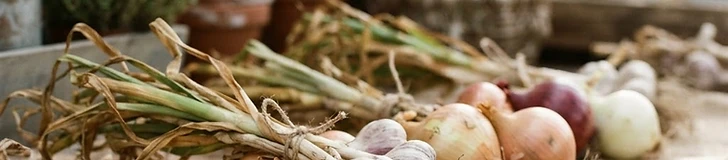
Proper curing is the secret to extending the shelf life of your alliums. By allowing the outer layers to dry and tighten around the bulb, you create a natural seal that protects the vegetable from moisture loss and fungal rot during storage. Follow these steps to ensure your harvest lasts until next spring.
Timing the Harvest
Before you can cure, you must know when to pull. For Allium cepa (onions), wait until the tops naturally fall over and begin to yellow. For Allium sativum (garlic), harvest when the bottom third of the leaves turn brown. Pulling too early results in shriveled bulbs, while waiting too long leaves the bulb vulnerable to soil moisture.
The Curing Environment
Success depends on finding the right space. You need a location that is:
- Out of direct sunlight to prevent sunscald.
- Well-ventilated with good air movement.
- Protected from rain and high humidity.
- Kept in a temperature range of 70°F to 80°F.
A covered porch or a garden shed with an open window works perfectly for most USDA zones. Spread the bulbs out in a single layer on a screen or a slatted rack to allow air to circulate completely around each bulb.
Pro tip: Do not trim the roots or stems until curing is complete, as these provide a buffer that prevents pathogens from entering the bulb while it dries.
Checking for Readiness
Curing typically takes two to four weeks depending on the humidity in your area. You will know your crop is ready for long-term storage when:
- The outer skins are papery, dry, and crispy.
- The neck of the bulb feels firm and tightly closed, with no moisture present when squeezed.
- The roots are brittle and easily snapped off.
Storage Best Practices
Once fully cured, store your bulbs in a cool, dark, and dry place. Aim for a storage temperature between 40°F and 50°F with low humidity. Avoid storing them in plastic bags, as they need to breathe. Mesh bags, wire baskets, or hanging braids allow for the airflow necessary to prevent spoilage. Check your stored stash every few weeks and promptly remove any bulbs that show signs of softening to protect the rest of your harvest.