
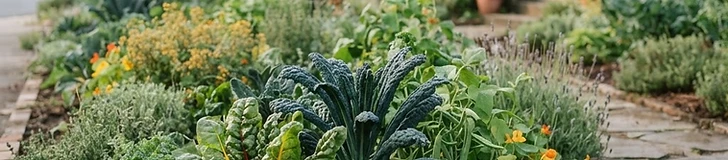
Turning your front yard into an edible oasis adds beauty and fresh produce to your home, but it requires a careful balance of aesthetics and functionality. This guide helps you navigate design, local regulations, and community relations to ensure your foodscaping project thrives.
Assess Local Regulations
Before breaking ground, check your HOA guidelines or city ordinances regarding front yard landscaping. Some areas restrict vegetable gardens or have height limits for plants. If your town requires a 'neat' appearance, focus on framing your edibles with traditional perennial borders or low-growing evergreen shrubs to maintain a manicured look throughout the growing season.
Strategic Design and Layout
Successful foodscaping relies on visibility and access. Keep taller plants, like Solanum lycopersicum (tomatoes) or Helianthus (sunflowers), toward the back or center, and use ground-covering herbs like Thymus vulgaris (thyme) along path edges. Ensure you have clear paths at least 24 inches wide for easy harvesting and maintenance, which prevents you from trampling your beds.
Neighbor-Friendly Practices
Your garden's success depends on keeping the neighborhood aesthetic in mind. Use tidy mulch like shredded hardwood or cedar to suppress weeds and give your beds a finished appearance. Avoid messy debris piles and keep your garden productive year-round by swapping out summer annuals for cool-season crops like Brassica oleracea (kale) in the fall.
Pro-tip: If you are worried about neighborhood perception, start by replacing just one small section of lawn with a structured, raised bed garden to prove that your edible landscape can look intentional and high-end.
Plant Selection
Choose crops that offer ornamental value alongside flavor. Plants like Vaccinium (blueberries) provide stunning spring blooms and vibrant fall foliage, while Allium schoenoprasum (chives) offer beautiful purple pom-pom flowers. Always match your plant choices to your specific USDA Hardiness Zone to ensure your front yard looks lush rather than struggling in extreme heat or frost.
Maintenance Matters
Regular maintenance is the secret to a high-end look. Spend 15 minutes each weekend deadheading spent blossoms and tidying edges to signal to neighbors that the garden is purposeful. Healthy, well-kept plants are rarely viewed as a nuisance, even if they produce dinner.
Start small by converting just one bed this season to experience the joy of harvesting your own dinner steps away from your front door.