
Inviting native bees into your garden does more than boost your vegetable yields; it creates a thriving, balanced ecosystem. While honeybees get the fame, solitary native species—like the Osmia lignaria (Blue Orchard Bee)—are often more efficient pollinators for fruits and spring blossoms. By providing specific nesting sites and water, you can support these essential workers right in your own backyard.
Providing Nesting Sites
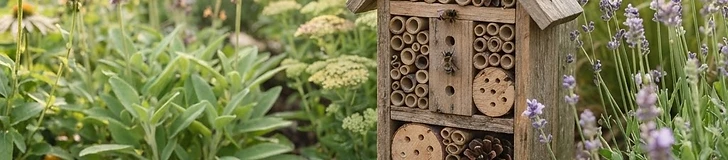
Over 70% of native bees nest in the ground, while the rest prefer cavities. For ground-nesters, leave a small patch of well-drained, bare soil, approximately 2 to 3 feet wide, free from mulch. Avoid tilling these areas in the spring or fall to protect developing larvae. For cavity-nesters, you can install specialized bee houses made of untreated wood or bundles of bamboo reeds. Ensure the holes range from 1/8 to 3/8 inches in diameter and are at least 6 inches deep to accommodate different species.
Essential Nesting Materials
Beyond homes, bees need raw materials to seal their nests. Many bees use mud, leaf fragments, or plant resins to build interior partitions. Keep a small area of your garden damp during the spring to provide mud for Osmia species. Additionally, avoid overly manicuring your landscape. Leaving dried stems and hollow twigs standing through the winter offers perfect real estate for these insects to establish their homes before the warmer temperatures arrive.
Pro Tip: Mount your bee houses on a sturdy post facing southeast to ensure they receive morning sun, which helps bees warm up their flight muscles before starting their day.
Reliable Water Sources
Bees need to stay hydrated during hot summer days, especially when temperatures climb above 85°F. However, bees cannot swim and often drown in deep birdbaths. Create a bee bath by filling a shallow saucer or tray with pebbles or glass marbles and adding water until it reaches the tops of the stones. This provides a safe, dry platform where bees can land, drink, and fly away without the risk of falling into deep water.
- Maintain a clean water source by rinsing the pebbles weekly.
- Keep your nesting area in a low-traffic spot to avoid disturbing active flights.
- Avoid using broad-spectrum pesticides, as these are toxic to native bee populations.
By layering these simple features into your landscape, you provide the critical infrastructure these quiet, hard-working pollinators need to flourish year-round.