
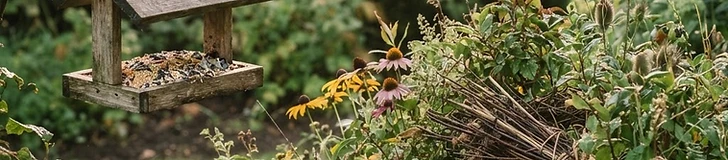
Transforming your backyard into a haven for wild birds is one of the most rewarding gardening projects. By meeting their basic biological needs, you will invite a vibrant ecosystem right to your doorstep, regardless of your USDA hardiness zone. To build a successful bird habitat, you must provide food, water, shelter, and nesting sites throughout the changing seasons.
Reliable Food Sources
Diverse food sources are vital for sustaining bird populations year-round. While supplemental feeders are helpful, nothing replaces the nutritional density of native plants. Incorporate fruit-bearing shrubs like Ilex verticillata (Winterberry) or seed-heavy perennials like Echinacea purpurea (Coneflower). Leaving seed heads intact during late autumn provides essential winter sustenance.
Consistent Water Access
Birds need a clean, consistent water source for both drinking and bathing. A simple birdbath placed in a semi-shaded area works best. Ensure the depth is shallow, no more than 2 to 3 inches at the center, with a sloped bottom to allow birds to wade comfortably.
Keep your birdbath clean by scrubbing it weekly with a stiff brush and water to prevent the spread of avian diseases; avoid harsh soaps that leave toxic residues.
Protective Shelter
To avoid predators, birds require shelter from the elements and hiding spots. Dense evergreen shrubs provide a perfect windbreak during freezing temperatures, while thickets of native brambles offer quick escape routes. Aim to include layers in your landscape, moving from ground-level grasses to mid-sized shrubs and eventually taller canopy trees to mimic a natural woodland edge.
Dedicated Nesting Sites
If you want birds to stay for the long term, you must provide safe nesting sites. Many species prefer dense, twiggy shrubs to build their homes, while others—like the Sialia sialis (Eastern Bluebird)—rely on tree cavities. If your yard lacks mature trees, install birdhouses designed for specific local species. Ensure boxes are mounted 5 to 10 feet above the ground on a predator-proof pole to protect the young.
By layering these four elements throughout your garden design, you create a sustainable refuge that supports local wildlife through all stages of their life cycle.