
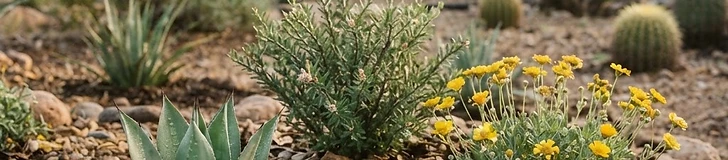
In arid regions, the secret to a thriving garden lies not just in the water you provide, but in how effectively you keep that moisture in the ground. By improving soil structure and applying the right mulch, you can protect your plants from the intense heat of USDA zones 8 through 11.
Amending with Organic Matter
Soil texture is crucial in dry climates. Sandy soils drain too quickly, while heavy clay can bake into a brick-like surface. To create a sponge-like foundation, incorporate 2 to 3 inches of compost or aged manure into the top 6 inches of your garden bed. This organic matter improves aeration and significantly increases the soil's water-holding capacity, helping your plants survive periods where temperatures exceed 100°F.
The Role of Mulch
Mulching is the most effective way to reduce evaporation. A 3-inch layer of organic material—such as wood chips, straw, or pine needles—acts as insulation for your soil. It keeps the roots cool during the day and prevents the harsh desert sun from crusting the surface.
Pro-tip: Always leave a 2-inch gap around the base of your plants; piling mulch directly against stems can trap heat and invite rot or pests.
Applying Moisture Barriers
Beyond basic mulch, consider these structural techniques for water conservation:
- Use cardboard layers: Place plain, brown cardboard over the soil before adding your mulch layer to suppress weeds and further reduce evaporation.
- Create basins: Form a shallow "well" or "saucer" around the base of newly planted Agave or Lavandula to ensure water is directed straight to the root zone rather than running off.
Choosing the Right Season
Timing your soil prep is essential. Apply your heavy mulch layer in late spring, just before the summer heat intensifies. If you mulch too early in the spring, you may prevent the soil from warming up enough for heat-loving crops, but waiting until July leaves the soil exposed to damaging UV rays and rapid drying. By locking in the moisture while the soil is still cool and damp from winter or spring rains, you set the stage for a resilient, water-wise garden all summer long.
With these simple techniques, you will find yourself watering less frequently while watching your desert landscape flourish even under the peak of the summer sun.