


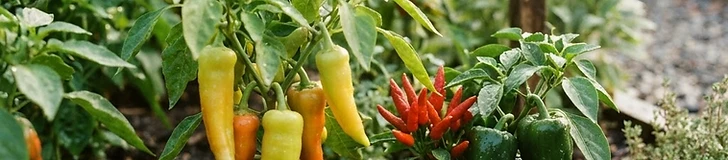
If you garden in regions with a short growing season or cool summer nights, growing peppers might feel like a challenge. By choosing varieties bred for speed and providing extra warmth, you can successfully harvest a bounty of peppers before the first frost hits.
Selecting Early Varieties
Focus on Days to Maturity (DTM) when browsing seed catalogs. Look for varieties labeled with a DTM of 65 days or fewer. These fast producers start fruiting earlier, ensuring they ripen before your area cools down in September. Excellent choices for cool climates include:
- 'King of the North' (sweet bell)
- 'Early Jalapeño' (spicy)
- 'Carmen' (sweet frying pepper)
Starting Seeds Indoors
Because peppers are sensitive to cold, you must get a head start. Start your seeds indoors 8–10 weeks before your area's average last frost date. Since peppers require soil temperatures around 75°F to germinate, use a heat mat to ensure consistent warmth. Strong light is equally vital; place your seedlings directly under shop lights or a dedicated LED grow light to prevent them from becoming leggy.
Maximizing Soil Heat
Peppers thrive when their roots stay warm. In short-season gardens, consider using black plastic mulch or dark landscape fabric to cover the soil around your plants. This material absorbs sunlight during the day, heating the soil several degrees higher than bare ground. This extra warmth encourages faster root development and earlier flowering.
Pro-tip: If temperatures drop below 55°F at night, cover your pepper plants with row covers or plastic cloches to trap daytime heat and prevent the plants from going into a growth-stunting state of shock.
Timing Your Transplanting
Never rush to plant your peppers outside. Even in summer, cold soil can cause plants to sit dormant for weeks. Wait until nighttime temperatures are consistently above 60°F and the soil has warmed. Before placing them in the garden, harden off your starts over 7–10 days, gradually exposing them to outdoor wind and sun to build their resilience.
Container Advantages
Growing in containers is often easier for cool-climate gardeners. Pots warm up much faster than garden beds in the spring. If an early cold snap threatens, you can easily move your containers against a warm south-facing wall or into a shed overnight. Use high-quality potting mix to ensure the drainage and aeration your peppers need to flourish.