
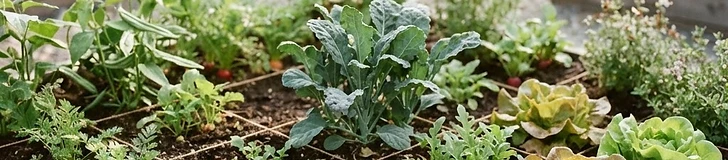
Succession planting is the secret to getting the most out of your square-foot garden. By rotating crops immediately after harvest, you can turn a single square foot into a multi-season powerhouse, ensuring a steady supply of fresh vegetables rather than a glut followed by empty soil.
Planning for Turnover To maintain a continuous harvest, look for crops with short maturity windows. Divide your season based on your local USDA hardiness zone dates. In zones 5 through 8, you can often fit three distinct crops into one square foot per year. Keep a small notebook to track planting dates; once you harvest a quick-growing vegetable, immediately amend that square with a handful of compost to refresh the nutrients before planting your next round.
Selecting Succession Pairs Focus on crop rotation by following heavy feeders with lighter feeders or legumes. Try these combinations:
- Early spring Raphanus sativus (radishes) followed by summer Phaseolus vulgaris (bush beans).
- Late spring Lactuca sativa (lettuce) followed by fall Spinacia oleracea (spinach).
- Mid-summer Cucumis sativus (cucumbers) followed by late-season Brassica rapa (turnips).
Tip: Always keep a tray of nursery-started seedlings ready to transplant into your grid the same day you pull a finished crop, ensuring zero downtime for your soil.