
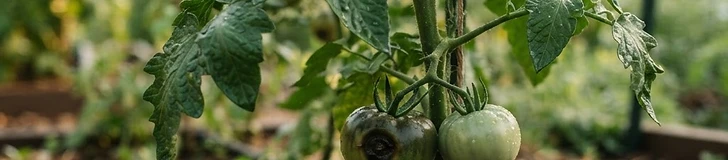
Consistency is the most vital factor in growing healthy Solanum lycopersicum. By maintaining steady moisture levels, you can bypass the physiological stresses that cause your fruit to crack or develop discolored spots, ensuring a heavy harvest throughout the growing season.
The Dangers of Inconsistent Watering
When soil moisture fluctuates wildly, tomato plants struggle to regulate their internal pressure. Rapid water uptake following a dry spell causes the fruit to swell faster than its skin can expand, leading to unsightly radial or concentric cracking. Conversely, prolonged drought prevents the plant from transporting calcium, which triggers blossom-end rot—a common condition characterized by sunken, leathery brown patches at the base of the tomato.
Monitoring Your Soil
Most tomatoes thrive in USDA zones 3 through 10, but they all share a need for deep, infrequent irrigation. To check your soil, insert your finger about 2 to 3 inches into the dirt. If it feels dry, it is time to hydrate.
- Aim for the base of the plant to keep foliage dry.
- Apply water slowly to ensure it reaches at least 6 inches deep.
- Water early in the morning to minimize evaporation.
Pro tip: Use a layer of organic mulch like straw or wood chips 2 inches deep to lock in soil moisture and buffer against the heat of summer afternoons.
Managing Heat Stress
When temperatures regularly exceed 85°F, plants transpire rapidly. During these heat waves, your tomatoes may require daily attention. If you are growing in containers, be extra vigilant; pots dry out significantly faster than raised beds or in-ground gardens. Using self-watering containers or drip irrigation systems can take the guesswork out of your schedule by providing a slow, metered release of moisture throughout the day.
Observing Your Plants
Your garden will tell you when it is thirsty. Leaves that look slightly curled or dull in color are often the first sign of water stress. By paying attention to these subtle cues rather than a strict calendar schedule, you can adapt your watering habits to the specific weather patterns of your local microclimate.
Mastering the rhythm of your garden’s soil moisture will lead to healthier plants and significantly higher yields of pristine fruit this summer.