
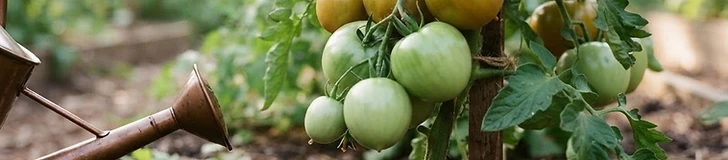
Achieving a bountiful harvest of juicy tomatoes requires more than just sunlight; it demands a steady rhythm of hydration. Irregular watering is the leading cause of two common tomato frustrations: skin cracking and blossom-end rot. By stabilizing the water supply, you can ensure your plants remain productive throughout the growing season.
The Impact of Inconsistent Moisture
Tomatoes thrive on stability. When the soil dries out completely and is then suddenly saturated with a heavy watering or rainfall, the plant sends a rush of water to the fruit. Because the interior grows faster than the skin can expand, the fruit splits. Conversely, if the plant cannot pull enough calcium from the soil due to dry conditions, the bottom of the fruit develops a leathery, sunken patch known as blossom-end rot.
Establishing a Watering Routine
Consistency is your best tool for healthy crops. Aim to keep the soil moisture levels uniform from the time you transplant your Solanum lycopersicum until the final harvest.
- Check soil moisture by sticking your finger 2 to 3 inches deep into the earth; if it feels dry, it is time to hydrate.
- Water early in the morning to allow foliage to dry throughout the day, which reduces fungal risks.
- Apply water directly to the base of the plant to keep leaves dry and prevent splash-back from the soil.
Pro Tip: Use a drip irrigation system or a soaker hose connected to a timer to deliver a slow, deep soak, which encourages roots to grow deeper into the cooler, moister subsoil.
Managing Soil Conditions
Healthy soil structure plays a major role in water retention. High-quality soil prevents rapid evaporation and keeps moisture accessible to your plants even during hot summer days above 85°F.
- Mulch heavily with straw, wood chips, or shredded leaves to create a barrier that retains moisture.
- Amend your soil with organic compost before planting to improve its water-holding capacity.
- Ensure your garden beds have adequate drainage; while tomatoes need water, they do not like sitting in waterlogged or swampy ground.
Seasonal Adjustments
As your plants mature and the heat of summer intensifies, your water needs will shift. Monitor your plants daily; during peak fruiting stages, you may need to increase the volume of water provided to compensate for higher transpiration rates. Consistent attention to soil moisture today prevents the disappointment of damaged fruit tomorrow.