

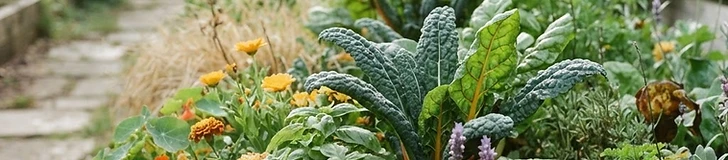
Mixing edible crops with ornamental flowers and fragrant herbs creates a resilient garden ecosystem. By integrating these plants, you create a beautiful landscape that naturally manages pests and encourages local pollinators to thrive.
The Power of Companion Planting
Companion planting involves placing different plant species in close proximity to help each other grow. In a typical vegetable bed, monoculture can attract specific pests. By tucking in diverse species, you confuse hungry insects and provide habitats for beneficial predators like lacewings and hoverflies. In USDA zones 3 through 9, this strategy works across most growing seasons.
Choosing the Right Mix
Start by selecting plants that serve double duty. Herbs like Ocimum basilicum (basil) and Rosmarinus officinalis (rosemary) smell wonderful and can repel common garden pests when planted near tomatoes or peppers. For color, consider adding Calendula officinalis or Tagetes (marigolds) to your borders. These flowers attract hoverflies, which feed on aphids, saving you from using harsh chemical sprays.
Strategic Spacing
Plan your bed with height and airflow in mind. When interplanting, ensure your vegetables still have adequate space to reach their mature size, usually 12 to 24 inches apart depending on the variety. Place taller, sun-loving flowers like Helianthus (sunflowers) on the north side of your plot to ensure they do not shade out your peppers or lettuce.
For the best results, plant your herbs in clusters rather than single stems to create a stronger aromatic barrier that pests find difficult to navigate.
Successional Growth
- Start your season by sowing fast-growing greens mixed with low-lying Alyssum.
- Add perennial herbs like Thymus vulgaris (thyme) at the edges of beds to prevent soil erosion.
- Keep soil moist with at least one inch of water per week, especially during the peak heat of summer when temperatures exceed 85°F.
Monitoring Your Garden
Spend a few minutes each week checking the underside of leaves for signs of stress or infestation. A garden that hosts a diversity of plants will naturally balance itself over time, reducing the need for constant human intervention. Remember that beauty and productivity are not mutually exclusive; by treating your vegetable patch like a flower garden, you create a more enjoyable and fruitful space for yourself and the environment.