
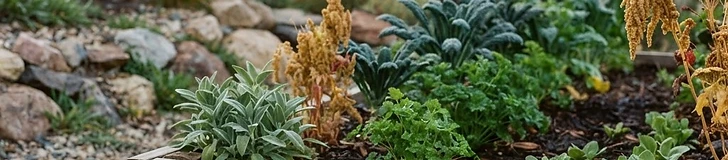
Gardening at high altitudes means managing a shrinking window of warmth. By understanding how to time your final harvests and protect cold-hardy vegetables, you can extend your productive season well past the first light frosts. Understanding your specific USDA hardiness zone is critical to predicting when temperatures will consistently drop below 32°F.
Tracking the First Frost
Always keep a local frost calendar for your specific elevation. While general climate maps provide a baseline, local terrain—such as being in a valley or on a slope—drastically changes your microclimate. In the weeks leading up to the average frost date, monitor the 10-day forecast nightly. If temperatures threaten to drop below 30°F, it is time to harvest vulnerable crops like tomatoes, peppers, and summer squash, even if they are still slightly under-ripe.
Protecting Hardy Crops
Some vegetables, such as Brassica oleracea (kale, cabbage, and broccoli) and Spinacia oleracea (spinach), actually improve in flavor after a light frost. These crops contain natural sugars that act as an internal antifreeze. You can protect them into the late autumn months using simple methods:
- Use floating row covers to trap heat radiating from the soil.
- Construct low tunnels using PVC pipe and heavy-duty greenhouse plastic to keep plants dry and frost-free.
- Mulch heavily with straw or shredded leaves to protect root crops like carrots and parsnips from freezing solid in the ground.
Pro tip: If a sudden hard freeze is predicted, harvest your remaining carrots and parsnips and store them in a cool, dark garage in a bin of damp sand to prevent dehydration while keeping them crisp.
Harvesting for Storage
Proper preparation is essential for successful curing. Onions and winter squash need a period of dry, airy conditions to harden their outer layers. Before the first deep freeze, ensure all storage crops are harvested and moved to an indoor space above 45°F. Clean off excess soil, but avoid washing them, as moisture encourages rot during long-term storage.
Planning for Next Year
As you clear your beds, make notes on which varieties thrived. High-altitude gardens often perform better with short-season cultivars specifically bred to mature in under 70 days. Keep a journal of your last harvest dates to refine your planting schedule for next season.
Finish your garden cleanup by adding organic compost to your beds to protect the soil structure through the coming winter snows.