

As temperatures drop and the first frost looms, preparing your garden for winter is the best way to ensure a healthy, vibrant return in the spring. This guide will help you protect your soil and perennials from the harsh challenges of the dormant season. ## Clearing Debris and Pathogens Remove any spent annuals or vegetable plants from your beds. It is crucial to discard, rather than compost, plants that show signs of disease or pest infestation. This practice prevents pathogens from overwintering in your compost pile and reinfecting your garden next season. ## Soil Protection with Mulch Apply a two to three-inch layer of organic mulch, such as shredded leaves or straw, to your garden beds once the ground begins to freeze. This act of insulation prevents the soil from heaving—a process where freezing and thawing cycles can push plant roots out of the earth. > Tip: Wait until your garden has experienced several nights in the 30°F to 35°F range before applying mulch to ensure that mice and voles don't seek shelter under it. ## Caring for Perennials and Bulbs Most perennial plants in USDA zones 5 through 8 can be cut back to about four inches above the soil line after the first hard frost. For spring-flowering bulbs like Narcissus or Tulipa, ensure the site is well-drained. If you live in a colder zone, such as zone 3 or 4, consider covering sensitive crown plants with an inverted bucket or a mound of straw for extra insulation against extreme wind chill. ## Tool Maintenance and Storage Clean your garden tools before putting them away for the winter. 1. Scrape off caked-on dirt to prevent rust. 2. Sharpen blades to ensure clean cuts for spring pruning. 3. Lightly oil metal surfaces with mineral oil to provide a moisture barrier. 4. Store tools in a dry shed or garage, ideally off the floor to prevent moisture wicking. ## Winterizing Irrigation Systems Drain your garden hoses and shut off outdoor faucets to prevent freezing pipes. If you use a drip irrigation system, blow out the lines with compressed air or ensure they are positioned to drain completely to avoid cracking during deep freezes. Taking these small steps now will save you time and prevent costly repairs when the weather warms up again.
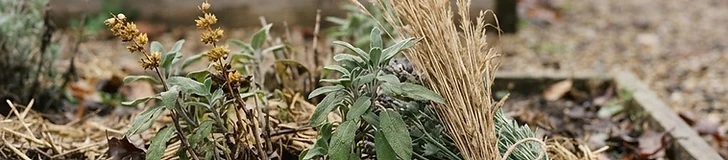 Protecting Your Garden
Closing the Garden: A Seasonal Shutdown Plan
2 min read 381 words
Prepare your soil and perennials for the cold months ahead with this step-by-step winterization guide for home gardeners.
Watch & learn
Curated variety-trial and pest-ID videos related to this article.
#Winter Gardening#Garden Maintenance#Soil Health#Beginner Gardening