
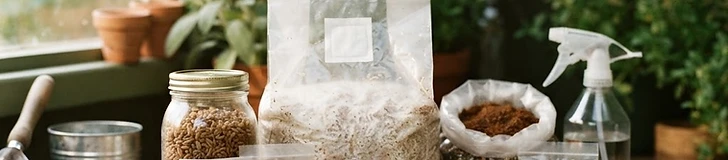
Selecting the right material for your fungi is the most critical step for beginners. This guide will help you understand which substrates work best for common culinary varieties so you can begin growing in any USDA zone.
Understanding Substrate Basics A substrate is simply the food source for your mushroom mycelium. Different species have evolved to eat specific materials, such as wood, straw, or compost. For beginners, matching the mushroom to its preferred "diet" is the secret to high yields.
Common Starter Materials 1. Hardwood Sawdust/Pellets: Ideal for Pleurotus species like Oysters. Ensure the pellets are 100% hardwood with no additives.
- Straw: An economical choice for Oysters, but it requires pasteurization in water heated to 160°F to remove competitive molds.
- Coffee Grounds: Great for small, experimental batches, though they are prone to contamination if not used quickly after brewing.
- Cardboard: A simple, accessible starting point for Stropharia rugoso-annulata (Wine Caps) or Oysters; simply soak in water, drain, and layer with spawn.
Pro Tip: Always prioritize cleanliness; treat your substrate workspace like a kitchen counter to prevent unwanted spores or bacteria from taking hold.
Essential Equipment for Beginners You do not need a commercial lab to succeed. Start with these reliable tools:
- A food-grade plastic bucket with 1-inch holes drilled for air exchange.
- A reliable thermometer to check your substrate temperatures.
- Isopropyl alcohol (70%) for sanitizing your tools and hands.
- A spray bottle for maintaining the 85-90% humidity mushrooms love.