

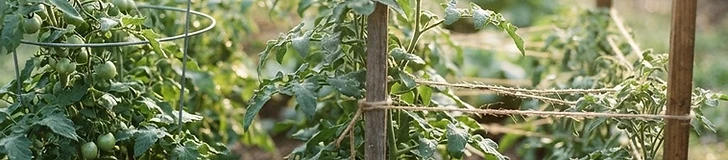
Choosing the right support system is crucial for healthy tomato plants. Proper structural support prevents fruit rot, improves air circulation, and makes harvesting much easier throughout the growing season. Here are three time-tested methods for US home gardeners.
The Classic Stake
Using a single stake is ideal for determinate varieties or small-space gardens. Drive a 6-foot wooden or metal stake about 12 inches into the ground next to your seedling. As the plant grows, tie the main stem to the stake using soft fabric strips or garden twine. Be sure to tie loosely, creating a figure-eight shape to avoid damaging the stem as it thickens.
Versatile Tomato Cages
For those who prefer a hands-off approach, tomato cages offer excellent passive support. These circular wire structures surround the plant, allowing branches to rest on the rings as they grow. While convenient, cheap store-bought cages are often too short and flimsy for large indeterminate varieties. Look for heavy-duty, tall cages that provide at least 5 feet of vertical height for your Solanum lycopersicum plants.
For the best results, install your stakes or cages at planting time; driving supports into the ground after the roots are established can severely damage the plant's delicate underground system.
The Florida Weave
If you are growing long rows of tomatoes, the Florida weave is the most cost-effective solution. This system uses sturdy stakes placed between every two or three plants. You weave twine in a figure-eight pattern between the stakes, trapping the plant stems in the middle as you go. Start your first layer about 8 inches above the soil, adding new horizontal lines every foot as the plant gains height.
Key Considerations for Setup
To maximize your success, consider these three factors regardless of the method:
- Sunlight: Ensure your support system doesn't cast significant shade on neighboring plants.
- Airflow: Keep foliage off the ground to prevent soil-borne diseases that thrive in humid environments.
- Timing: Support your plants as soon as they reach 12 inches tall, especially in regions with high winds or frequent thunderstorms common in USDA zones 5 through 9.
Invest a little time in setting up these supports now to enjoy a cleaner, more productive harvest later this summer.