
Selecting the right vertical structure helps your crops stay healthy, improves airflow to prevent disease, and makes harvesting a breeze. Whether you are in USDA zone 5 or 10, climbing vegetables need specific support styles to thrive.
A-Frame Trellises for Peas and Beans The A-frame design is a classic choice for short-stature crops like Pisum sativum (peas) and bush beans. These structures create a stable, tent-like shape that provides two sides for growth. Because they are self-supporting, they work perfectly in garden beds where you cannot anchor to a wall or fence. For peas, a 4-to-5-foot tall frame with mesh netting allows delicate tendrils to grasp easily.
Sturdy Netting for Heavy Cucumbers When growing Cucumis sativus (cucumbers), you need high-tensile garden netting or nylon trellis netting. Cucumbers can become heavy, especially slicing varieties. Drape the netting over a frame or between two sturdy posts. This allows the plants to climb upward, keeping fruit off the damp soil, which significantly reduces rot and pest issues. Ensure your structure is secured at least 12 inches deep in the soil to handle the weight of the vines.
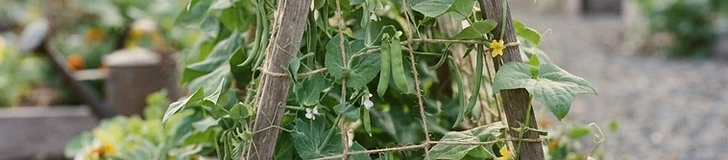
Twine Systems for Pole Beans For vigorous growers like pole beans, a vertical twine system is an affordable and effective method. Simply drive two heavy-duty stakes into the ground 6 feet apart and run a support wire between them at the top. Tie individual lengths of biodegradable jute twine from the ground level to the overhead wire.
Tip: Always install your vertical supports at the time of planting or seeding to avoid damaging established root systems later in the season.
Considerations for Success No matter the structure, consider these basics:
- Wind resistance: If your garden is in an exposed area, ensure your supports are anchored with metal garden staples.
- Sun exposure: Place your trellis on the north side of the bed so the plants do not shade out smaller, sun-loving seedlings.
- Material choice: Cedar or untreated lumber lasts longer than soft pine, and powder-coated metal prevents rust in humid climates. By matching the trellis style to the specific needs of your climbing crops, you turn a small patch of dirt into a high-yielding, vertical sanctuary.