
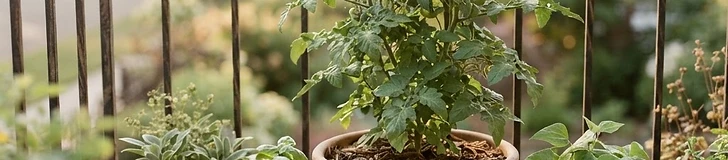
Selecting the right container is the foundation of a successful container garden. In this guide, you will learn how to match your vegetable species with the appropriate pot volume and material to ensure healthy root development and efficient watering.
The Importance of Volume
Container size dictates how much root space your plant has, which directly impacts yield. For beginners, it is helpful to follow these minimum volume guidelines:
- Small herbs and lettuce: 1 to 2 gallons (approx. 8–10 inches in diameter).
- Peppers and bush tomatoes: 5 gallons (approx. 12 inches in diameter).
- Indeterminate tomatoes and cucumbers: 10 to 15 gallons for optimal growth. Using a pot that is too small limits nutrient access and forces you to water multiple times daily during the heat of summer.
Material Matters
Choosing the right container material affects drainage and temperature control.
- Terracotta: Porous and allows roots to breathe, but dries out quickly. Great for Mediterranean herbs like Rosmarinus officinalis.
- Plastic and Resin: Lightweight and moisture-retentive. Excellent for water-loving vegetables like peppers, but can degrade in harsh UV light.
- Fabric Grow Bags: These provide excellent aeration, which prevents roots from circling. They are ideal for gardeners in humid USDA zones as they prevent waterlogging.
Always ensure your container has adequate drainage holes at the base; if a pot lacks them, use a drill to create several 1/2-inch holes to prevent root rot.
Managing Temperature
Dark-colored plastic containers absorb heat rapidly, which can cook delicate root systems when temperatures exceed 85°F. If you live in a hot climate, choose light-colored pots or place fabric bags in a slightly shaded location during the afternoon. Conversely, in cooler zones, dark pots can help warm the soil, giving warm-season crops a head start in spring.
Proper Drainage Setup
Regardless of material, proper drainage is non-negotiable. Avoid filling the bottom of your pots with rocks or gravel; this creates a perched water table that actually traps moisture near the roots rather than helping it escape. Use a high-quality potting mix that remains fluffy, ensuring water drains freely while holding just enough moisture for plant uptake.
With the right container, you can successfully grow a thriving vegetable garden in even the smallest spaces.