
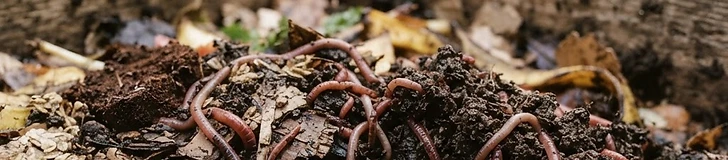
Selecting the right earthworms is the first step toward a successful indoor composting system. While many species exist, only a few thrive in the high-density environment of a worm bin. This guide explains why the Red Wiggler is the premier choice for US home gardeners and how to meet their specific habitat requirements.
The Gold Standard: Red Wigglers
For vermicomposting, the Red Wiggler (Eisenia fetida) is superior to common garden earthworms. Unlike nightcrawlers that prefer digging deep tunnels in mineral soil, Red Wigglers are epigeic. This means they live in the upper layers of decaying organic matter. They are highly adaptable, reproduce quickly, and can consume half their body weight in food scraps every day.
Ideal Habitat Conditions
To keep your colony healthy, you must replicate their natural environment. A happy worm population requires:
- Temperature: They thrive between 55°F and 77°F. In cold US climates, keep your bin in a basement or heated garage during winter.
- Moisture: Aim for the consistency of a wrung-out sponge. If the bedding feels dry to the touch, mist it lightly with non-chlorinated water.
- Ventilation: Ensure your bin has small holes drilled near the top to provide oxygen and prevent anaerobic conditions.
Pro-tip: Always bury fresh kitchen scraps 2-3 inches deep into the bedding to prevent attracting fruit flies and to encourage worms to stay hidden and active.
Feeding Your Worms
- Start small: Feed your worms only once per week to gauge how quickly they consume the material.
- Add variety: Provide a mix of fruit peels, vegetable scraps, and crushed eggshells for calcium.
- Avoid problems: Never add dairy, meat, oils, or citrus, as these can cause odors or heat up the bin to dangerous levels.
Monitoring Your Population
If your worms look lethargic or try to crawl up the sides of the bin, something is wrong. Usually, it is either an overly acidic environment (add more dry shredded cardboard) or the bin is too warm. Checking your bin weekly ensures you catch potential issues before the population declines. With consistent care, these small decomposers will reward you with nutrient-rich castings for your garden soil.