
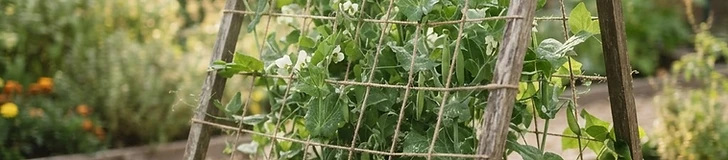
Vertical gardening allows you to grow more produce in a smaller footprint by encouraging plants like Pisum sativum (peas) and Phaseolus vulgaris (beans) to grow upward rather than sprawling across the ground. Selecting the correct support system ensures healthy airflow and easier harvests for US gardeners in zones 3 through 9.
Choosing the Right Material
The material you choose depends on the weight of your crop. For lightweight crops like peas, simple twine or plastic netting works perfectly. For heavy-bearing vining cucumbers or pole beans, you need sturdier materials like galvanized cattle panels or wooden cedar frames. Ensure your structure is secured at least 12 inches deep into the soil to prevent it from tipping over during summer storms.
A-Frame Trellises
The A-frame design is a classic choice for small-space gardeners. By joining two panels at the top to form a triangle, you create a shaded space underneath. This is ideal for planting shade-tolerant leafy greens like lettuce at the base while your cucumbers climb the sunny exterior. A-frames are excellent for heavy fruit that hangs down, making them easy to spot and pick at eye level.
Cattle Panel Arches
A cattle panel arch is the gold standard for high-yield productivity. By bending a heavy-gauge wire panel into a tunnel, you create an overhead canopy. This keeps cucumbers off the dirt, which significantly reduces fungal diseases common in humid climates. In regions where temperatures exceed 90°F, this structure also acts as a natural sunshade for crops growing beneath it.
Pro Tip: Always install your trellis before planting your seeds or transplants to avoid damaging delicate root systems as the plants begin to climb.
Netting and String Trellises
For those on a budget, nylon netting or vertical twine provides a low-cost, space-efficient solution. Use heavy-duty, UV-resistant netting secured to sturdy wooden stakes. This setup is perfect for peas that use tendrils to grip surfaces. When using string, ensure it is taut to prevent the plants from sagging under the weight of ripening pods. Remove all organic debris at the end of the season to minimize overwintering pests.
By choosing the structure that matches your specific vegetable's needs, you can transform your backyard into a highly productive vertical sanctuary.