
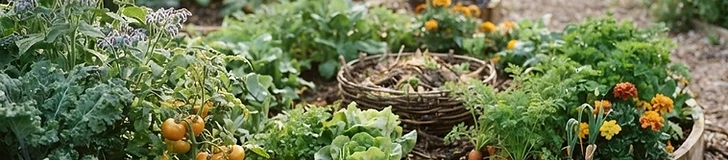
Choosing the right plants for hugelkultur mounds and keyhole beds is key to tapping into their natural fertility and moisture retention. These systems offer dynamic environments that change as the wood core breaks down over time. By matching crop needs to the age of your bed, you can ensure a bountiful harvest throughout the growing season.
The First-Year Transition
In the first year, your hugelkultur mound is rapidly decomposing and may tie up nitrogen. Avoid heavy feeders like brassicas or tomatoes initially. Instead, focus on leafy greens and crops with shallow roots that appreciate the loose, organic soil. Plants like Lactuca sativa (lettuce) and Spinacia oleracea (spinach) thrive here. Because the soil is often warm and well-drained, these greens will flourish before the summer heat hits peak levels in USDA zones 5 through 9.
Supporting Heavy Feeders
As your bed matures into year two and beyond, the decomposition process releases massive amounts of nutrients. This is the perfect environment for heavy feeders that require nutrient-dense soil. Crops like Solanum lycopersicum (tomatoes), Cucurbita pepo (zucchini), and Brassica oleracea (broccoli) will take advantage of the enriched earth. Ensure these plants receive at least 6 to 8 hours of direct sunlight, especially if you are gardening in cooler zones where temperatures stay below 70°F for long stretches.
Pro tip: In a keyhole garden, plant the most water-demanding crops, like cucumbers or peppers, nearest to the central composting basket where moisture and nutrient concentrations are highest.
Maximizing Vertical Potential
Because these beds are naturally raised, they provide excellent drainage and soil aeration, which are perfect for root vegetables. Carrots and radishes grow straight and deep without hitting compacted soil layers. To ensure success, clear any woody debris from the top 6 inches of the surface before planting root crops to prevent misshapen harvests. If you prefer climbing plants, the structure of a keyhole garden allows you to install simple trellises along the outer rim for vining crops like Phaseolus vulgaris (pole beans), keeping the fruit clean and easy to pick.
Essential Cultivars for Success
- Leafy greens: Butterhead lettuce and Swiss chard for rapid turnover.
- Summer crops: Bush beans and Bell peppers for consistent yields.
- Root crops: Daucus carota (carrots) and Raphanus sativus (radishes) in loose topsoil.
Start your garden by monitoring soil moisture levels closely, and watch your vegetables thrive in these highly efficient, productive growing spaces.