
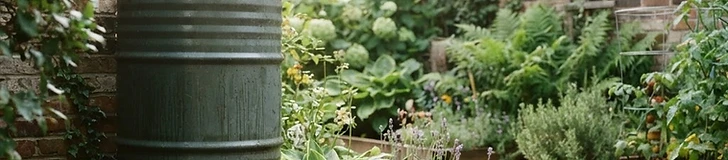
Harvesting rainwater is a brilliant way to supplement your garden irrigation, providing chlorine-free water that plants love. By calculating your roof surface area and local rainfall, you can determine exactly how much water your home can capture during the growing season. This guide helps you right-size your catchment system to avoid over-investing or running dry when the summer heat peaks.
The Math of Rain Catchment
To determine your potential yield, use the standard formula: one inch of rain on one square foot of roof surface yields approximately 0.62 gallons of water. For a typical 1,000-square-foot roof section, a single one-inch storm event provides roughly 620 gallons of water. Knowing this helps you understand why a standard 50-gallon barrel fills up in mere minutes during heavy thunderstorms.
Estimating Your Needs
Before purchasing tanks, consider the water requirements of your specific crops. Vegetables like Solanum lycopersicum (tomatoes) and Cucumis sativus (cucumbers) in USDA zones 6-9 often require one inch of water per week during peak summer months. If you have a 100-square-foot raised bed, you will need about 62 gallons per week. If your region experiences long dry spells above 90°F, you will need enough storage to bridge the gap between reliable rainfall events.
Always ensure your system includes a fine-mesh debris screen and a light-blocking cover to prevent mosquito breeding and algae growth in your stored water.
Sizing Your System
When selecting storage containers, match your capacity to the frequency of rainfall in your area:
- For high-rainfall zones: Smaller, modular barrels (50–100 gallons) are often sufficient, provided you have a way to daisy-chain them to manage overflow.
- For arid or drought-prone regions: Invest in larger cisterns (250+ gallons) to capture maximum volume during infrequent, intense storms.
Practical Setup Steps
- Measure your roof footprint, not the slope, to calculate surface area.
- Check your local precipitation data to identify your wettest months.
- Install a diverter on your downspout to redirect water into the barrel.
- Place your barrels on a stable, elevated base to utilize gravity for watering.
Start small by monitoring your roof's runoff capacity during a light rain event before expanding your storage capacity.