
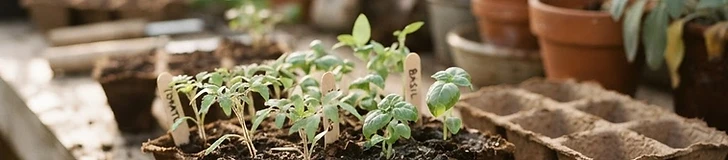
Starting seeds indoors is a rewarding way to extend your growing season, but your success depends heavily on the gear you choose. By selecting the right containers and growing medium, you can prevent common issues like root rot and stunted growth, ensuring your plants thrive before they even reach the soil.
Choosing the Right Containers
Selecting the right cell trays is the first step. For most vegetables and flowers, cells that are 1.5 to 2 inches wide and 2 to 3 inches deep work best.
- Use rigid, reusable plastic trays if you plan to start seeds every year.
- Ensure each cell has at least one drainage hole at the bottom.
- Avoid oversized pots initially, as small seedlings struggle to manage excess moisture in too much soil, which leads to root rot.
The Importance of Soil Medium
Never use standard garden soil for seed starting; it is often too heavy and may contain pathogens or pests. You need a dedicated seed-starting mix. This is usually a sterile blend of peat moss or coconut coir mixed with perlite or vermiculite.
- Look for a mix that is light, fluffy, and holds moisture without becoming soggy.
- The sterile nature of these mixes prevents "damping off," a fungal disease that kills young seedlings.
- Keep your mix slightly damp, like a wrung-out sponge, before placing it into your trays.
Pro tip: Always pre-moisten your seed-starting mix in a separate bucket before filling your trays; it is much easier to get an even, damp consistency this way than trying to water dry soil after it is packed.
Managing Temperature and Moisture
Once your seeds are sown, maintain the right environment to encourage germination. Most vegetable seeds, like Solanum lycopersicum (tomatoes), prefer soil temperatures between 70°F and 80°F to sprout quickly. Use a heat mat if your home is chilly, and cover your trays with a clear dome to maintain high humidity until you see the first green sprouts. Once they emerge, remove the dome immediately to allow for airflow and prevent mold growth. Keeping your seedlings near a bright, south-facing window or under full-spectrum grow lights will help them grow stout and strong rather than tall and leggy.
Investing in quality gear now creates a foundation for a high-performing garden later in the season.