
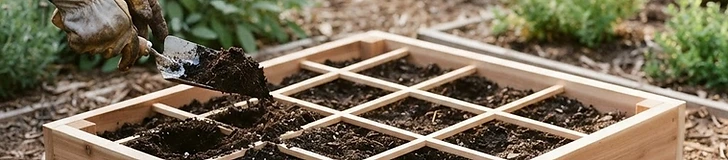
Creating a compact, high-yield garden starts with the right foundation. This guide will walk you through building and filling a 4-foot by 4-foot raised bed, the perfect size for beginners to manage without stepping into the soil.
Frame Construction
Building your raised bed frame is the first step toward organized planting. Using rot-resistant wood like cedar or redwood is ideal for longevity in most USDA zones.
- Cut four pieces of untreated 2x10 lumber into 4-foot lengths.
- Secure the corners using 3-inch exterior-grade deck screws.
- Place the frame on a level area of your lawn or patio that receives at least 6 to 8 hours of full sun.
Perfecting the Mix
Filling your bed with a high-quality growing medium is crucial because plants in a small space need nutrient-dense, loose soil. Skip the heavy garden soil found in bags. Instead, aim for a blend of one-third compost, one-third peat moss or coconut coir, and one-third coarse vermiculite. This "Mel's Mix" recipe ensures excellent drainage and moisture retention for your crops. Mixing in a generous amount of organic compost provides the essential nitrogen and minerals your vegetables need to thrive throughout the growing season.
Always place a layer of heavy-duty cardboard at the bottom of your new bed to suppress grass and weeds before adding your soil mixture; it will decompose over time, adding carbon back into the earth.
Adding the Grid
Installing a planting grid turns your raised bed into a masterclass in efficiency. By dividing your 16-square-foot space into 1-foot sections, you can calculate exactly how many plants fit in each square—for example, one tomato plant, four heads of lettuce, or sixteen carrots. Use rot-resistant twine, bamboo strips, or even wooden slats to physically mark these squares. This visual guide prevents overcrowding and makes thinning and harvesting straightforward.
Final Preparation
Before planting, ensure your soil temperature is suitable for your specific zone. Most warm-season crops like Solanum lycopersicum (tomatoes) and Capsicum annuum (peppers) require soil temperatures above 60°F. Once the soil is prepped and the grid is set, give the entire bed a thorough watering to settle the mixture. Now you are ready to begin planting your first high-density grid for a productive season ahead.