
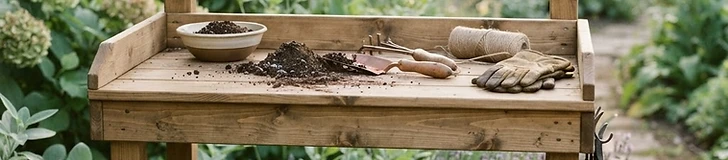
A well-designed potting bench acts as the command center for your garden, saving your back from strain while keeping essentials within reach. By building a custom station with integrated storage, you turn messy planting sessions into a clean, efficient process perfect for any gardener from USDA zones 3 through 10.
Essential Materials and Framing
To build a sturdy 4-foot wide by 2-foot deep bench, start with rot-resistant lumber like cedar or pressure-treated pine. Use 4x4 posts for the legs to ensure stability when you are packing heavy pots with damp soil.
- Cut four 36-inch legs to provide an ergonomic working height.
- Construct a frame using 2x4 lumber for the table top and lower shelf.
- Secure all joints with exterior-grade screws to withstand outdoor temperatures and moisture.
Creating the Storage Zones
Maximizing your vertical space is key to a functional garden build. Install a lower shelf 12 inches off the ground to hold heavy bags of potting mix or large terracotta pots. Above the workspace, add a simple pegboard or a row of hooks to keep your hand trowels, pruners, and hori-hori knives organized and dry.
Pro-tip: Attach a deep, plastic-lined bin or a stainless steel mixing bowl into the surface of the bench to serve as a dedicated soil reservoir, making it easier to fill pots without spilling mix across your workspace.
Weatherproofing for Longevity
Because your bench will face seasonal shifts, protection is vital. If you live in an area with high humidity or frequent rainfall, apply a clear outdoor sealant or exterior-grade deck stain once the build is complete. This keeps your wood from warping or rotting when temperatures drop below 40°F or fluctuate during the rainy spring thaw.
Customizing Your Bench
Consider adding side-mounted brackets to hold a garden hose or a roll of burlap. For gardeners who move their plants indoors when night temperatures fall below 50°F, consider adding heavy-duty casters to the bottom of the legs. This mobility allows you to roll your supplies directly into a garage or shed during the off-season, keeping your tools protected and ready for the next spring start date.
Building this station will save you hours of searching for lost tools and make your potting season far more enjoyable.