
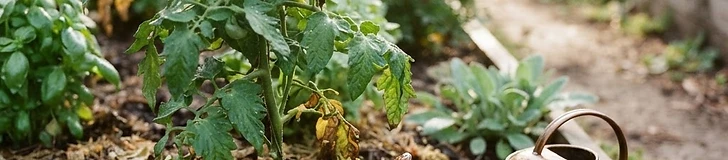
Many beginning gardeners fall into the trap of daily light watering, believing that if the surface of the soil looks damp, the plants are satisfied. In reality, light, frequent sprinkling is often the enemy of a resilient landscape. By understanding how roots behave under the surface, you can adjust your irrigation habits to grow plants that are stronger, deeper-rooted, and better prepared for the stresses of summer heat.
The Psychology of Plant Roots
Plants are programmed for survival. If you water your garden every day for just a few minutes, the moisture only ever penetrates the top inch of soil. Consequently, the plant has no incentive to grow its roots downward. It finds plenty of water at the surface, so it develops a shallow, lazy root system. When a heatwave hits or you miss a day of watering, that shallow system dries out immediately because it has no access to the cooler, moister soil located lower in the earth.
By contrast, deep watering forces roots to hunt. When you saturate the soil to a depth of six to twelve inches, the roots are triggered to expand downward to follow that retreating moisture gradient. A deep root system acts like an anchor, allowing the plant to remain hydrated even during dry spells, as it has access to moisture reserves deep within the subsoil.
How Much Is Deep Enough?
In most American gardens, a good rule of thumb is providing one inch of water per week, delivered all at once rather than in small, daily sips. During the peak of summer, especially in hotter regions like USDA zones 8 through 10, this may increase to two inches during extreme heat. The key is delivery method. You are not just watering the surface; you are aiming to reach the root zone.
To determine if you have watered deeply enough, use a simple soil probe or a long screwdriver. After watering, push the tool into the ground. It should slide easily through the damp, loose soil but stop when it hits dry, compacted earth. If the screwdriver hits resistance at only two inches down, your watering session was too short. Keep going until you can comfortably insert the tool to at least six inches.
Timing for Maximum Efficiency
Early morning is the golden hour for watering. Between 5:00 AM and 9:00 AM, the air is cooler, winds are generally lower, and the plants are just beginning to wake up and start their metabolic processes. Watering now ensures that the water has time to soak deep into the root zone before the heat of the midday sun can cause significant evaporation.
Evening watering is often discouraged because it leaves foliage wet overnight, creating a breeding ground for fungal diseases like powdery mildew or blight. If you must water in the evening, use a soaker hose or drip irrigation that keeps the water strictly at the base of the plant, avoiding the leaves entirely.
Practical Tips
- Use mulch to lock in moisture: Apply two to three inches of organic mulch like straw, shredded leaves, or wood chips to create a barrier against evaporation.
- Test your soil type: Sandy soils drain quickly and require more frequent, shorter deep soaks, while clay soils hold water longer and can be watered less frequently.
- Observe plant signals: A plant that is truly thirsty often droops slightly in the heat of the day but perks up by the following morning. If it is still wilted at dawn, it is time for a deep soak.
- Know your container limits: Potted plants dry out much faster than garden beds and may require daily deep soaking, but always ensure the pot has drainage holes so roots don't drown.
- Use a rain gauge: Don't guess how much rain your garden received. Set up a simple gauge to see if Mother Nature provided that one-inch weekly requirement for you.
Quick Takeaway
Water deeply and less frequently to train your roots to grow strong and reach moisture deep in the ground.