
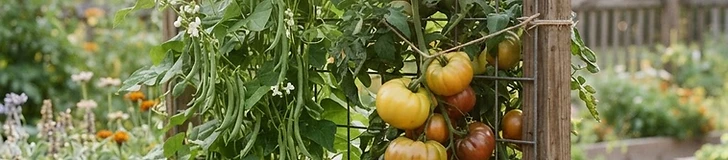
Maximize your garden’s footprint by growing upward using a cattle-panel trellis. This DIY structure provides a heavy-duty, rust-resistant frame that handles the weight of sprawling indeterminate tomatoes and climbing bean varieties with ease. In this guide, you will learn how to construct a simple, long-lasting arch that turns your garden into a vertical oasis.
Supplies You Will Need
To build a standard 16-foot arch, you need:
- 16-foot x 50-inch cattle panel (available at most farm supply stores).
- Two 5-foot lengths of T-posts.
- Heavy-duty zip ties or galvanized wire.
- A sledgehammer.
Preparing Your Site
Clear a space at least 4 to 6 feet wide. Cattle panels are rigid but flexible enough to bend into an arch. Ensure your soil is well-draining, as climbing plants like Phaseolus vulgaris (green beans) thrive when their roots are not waterlogged. In USDA zones 5 through 9, aim to install your trellis in late spring once the soil temperature consistently reaches above 60°F.
Installation Steps
- Drive the T-posts into the ground roughly 4 to 5 feet apart, ensuring they are stable.
- Have a partner help you bend the cattle panel into an arch shape, aligning the ends with the T-posts.
- Secure the panel to the T-posts using wire or zip ties, ensuring all four corners are tightly bound.
- Push the base of the panels slightly into the soil to prevent slippage.
For the best results with indeterminate tomatoes, gently weave the main vine through the panel squares as it grows rather than forcing it, which helps prevent stem breakage and encourages better airflow.
Managing Your Harvest
Once installed, train your vining plants to climb as soon as they reach 6–8 inches in height. Indeterminate varieties will produce fruit until the first frost, so consistent harvesting is key to productivity. Regularly check your ties throughout the season to ensure the structure remains sturdy against heavy winds or bumper crops. Vertical growth also keeps fruit off the ground, significantly reducing the risk of rot and common fungal diseases like blight.
Seasonal Care
At the end of the season, simply snip your wire ties and remove the panel for winter storage if you live in an area with heavy snow load, or leave it year-round if securely anchored. Inspect the metal for any sharp edges and touch them up with rust-preventative paint to extend the lifespan of your trellis for many growing seasons to come.
With this simple arch in place, you are ready to enjoy a bounty of fresh vegetables at eye level throughout the summer.