
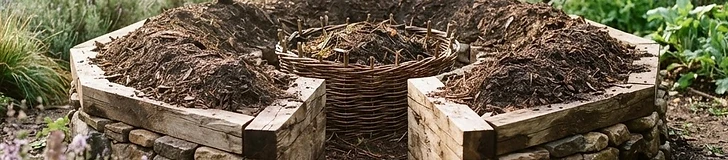
A keyhole garden is a circular raised bed featuring a unique 'V' shaped cutout that leads to a central composting basket. This design allows you to reach the center of the bed from any angle, making it an excellent choice for maximizing productivity in small US residential yards. Whether you reside in USDA zones 4 through 9, this structure will keep your soil aerated and nutrient-dense.
Choosing Your Materials
You can build the walls of your keyhole garden using various durable materials. Select something that fits your local aesthetic and budget:
- Bricks or Cinder Blocks: Great for retaining heat, which helps soil warm up faster in early spring.
- Natural Stone: Offers a rustic look and provides excellent structural stability for taller beds.
- Untreated Wood: Easy to work with, though it will naturally decompose over time.
Ensure your circular perimeter is roughly 6 to 8 feet in diameter. The walls should be at least 18 to 24 inches high to allow for deep root development for your favorite vegetables.
Constructing the Core
At the center of your bed, install a cylinder made of wire mesh or wooden slats. This acts as your compost basket. You will deposit kitchen scraps and yard waste directly into this core, allowing nutrients and moisture to leach slowly into the surrounding soil. Position this before you start filling the bed with organic matter to ensure it stays centered.
Pro Tip: Always line the bottom of your bed with a thick layer of cardboard to suppress weeds and encourage earthworms to move upward from the native soil.
Filling the Bed
Once your wall is constructed, follow a layering approach similar to lasagna gardening. Start with coarse woody debris like sticks and branches on the bottom. Add a thick layer of nitrogen-rich materials like grass clippings or green leaves, followed by high-quality compost or topsoil. This sponge-like structure retains water effectively, requiring less frequent irrigation even when temperatures climb above 85°F.
Planting Strategies
Plant your vegetables in a radial pattern starting near the central basket. Place water-hungry plants like Cucumis sativus (cucumber) or Solanum lycopersicum (tomato) closer to the basket to take advantage of the direct nutrient flow. Use the outer edges for smaller crops like lettuce or herbs, ensuring you can reach them easily from the path.
With your keyhole garden established, you now have a self-sustaining system that feeds your plants while minimizing daily maintenance.