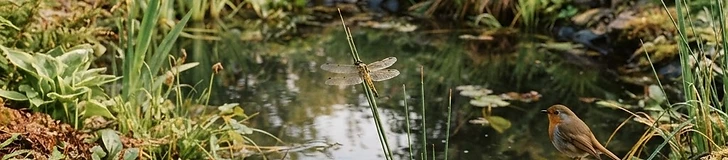
A small backyard garden pond with smooth river stones around the edge, surrounded by lush native ferns and aquatic plants.Wildlife & Bird Gardens

Build a Simple Wildlife Pond for Your Garden

2 min read 346 words

Attract frogs, dragonflies, and birds to your backyard with a low-maintenance, chemical-free wildlife pond perfect for any size garden.

Adding a pond is the single most effective way to boost biodiversity in your backyard. Whether you have a sprawling garden or a small patio, a dedicated water source provides essential habitat for pollinators and local wildlife. You will learn how to build a safe, sustainable pond that requires minimal upkeep.

Choosing the Location Select a spot that receives at least 6 hours of sunlight daily for healthy aquatic plant growth. Avoid placing the pond directly under overhanging trees, as falling leaves will decay and deplete oxygen levels in the water. For US gardeners, aim for a depth of at least 18 to 24 inches in one section so the water remains stable during temperature swings.

Essential Supplies for Success To build a wildlife-friendly pond, you need a few key materials:

  1. A pre-formed pond liner or a heavy-duty EPDM rubber liner.
  2. Native aquatic plants like Pontederia cordata (Pickerelweed) or Nymphaea (Water Lilies).
  3. Smooth stones or gravel to create a gradual 'beach' entry point.
  4. Dechlorinated water or captured rainwater.

Never introduce goldfish or koi into a wildlife pond, as they will consume amphibian eggs and disrupt the natural balance you are trying to cultivate.

Creating a Wildlife Entryway Many small creatures, such as frogs and beneficial insects, need an easy way to exit the water. Create a gentle slope on one side of the pond using flat rocks or submerged logs. This 'wildlife ramp' acts as a lifeline for bees and birds visiting for a drink, preventing them from falling in and struggling to climb out of steep, slippery plastic edges.

Maintenance and Balance Natural ponds are self-regulating ecosystems. Avoid using chemical fertilizers or algae treatments, as these can be toxic to tadpoles and sensitive insects. If you notice excess algae, simply increase the number of submerged oxygenating plants, such as Ceratophyllum demersum (Hornwort), which compete with algae for nutrients and keep the water clear. By keeping your garden free of pesticides, you ensure your new pond remains a healthy oasis for the local ecosystem year after year.

Watch & learn

Curated variety-trial and pest-ID videos related to this article.

How to Build a Wildlife Pond

Open
#wildlife#ponds#sustainability#biodiversity#gardening

More in Wildlife & Bird Gardens

We use a couple of cookies to keep you signed in and remember your settings — no tracking ads, and we never sell your data. Read our privacy policy.