
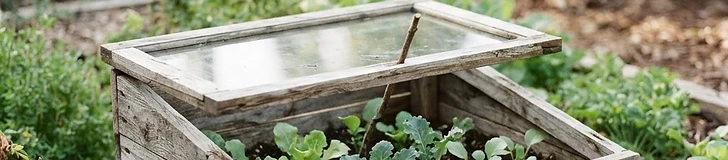
A cold frame acts as a miniature greenhouse, protecting your crops from wind and freezing temperatures. By using reclaimed wood, you can create an effective season-extender for your backyard without spending a fortune on materials. This simple build is perfect for gardeners in USDA zones 5 through 9 looking to start seeds weeks earlier than usual.
Gather Your Materials
To keep costs low, scout for untreated pallet wood or leftover fence boards. You will need:
- Four boards measuring 48 inches long for the sides.
- An old glass or polycarbonate window sash (standard 24x48 inches works well).
- Exterior-grade screws.
- A drill and a level.
Constructing the Frame
Start by creating a sloped box. To allow for maximum sunlight and snow runoff, your back wall should be roughly 18 inches high, while the front wall should be about 12 inches high. Secure the corners using your reclaimed lumber, ensuring the structure sits level on the ground. A slight slope ensures that when it rains, water beads off the glass rather than pooling in the center.
Pro tip: Position your cold frame facing true south to ensure your plants receive at least six hours of direct sunlight, even during the shorter days of late winter.
Attaching the Lid
Use hinges to attach your window sash to the back wall of the frame. This allows you to easily vent the unit during warm afternoons. If the internal temperature rises above 70°F, prop the lid open with a small block of wood to prevent your seedlings from overheating or succumbing to fungal diseases. If you are growing hardy greens like Spinach or Kale, they will thrive even on crisp, near-freezing nights.
Site Selection and Maintenance
Place your cold frame in a spot that is sheltered from biting northern winds. Before placing it over your garden bed, amend the soil with compost to give your early crops a boost. During the coldest parts of the season, you can toss an old blanket or burlap sack over the glass at night to provide extra insulation. Regularly check the moisture levels, as soil inside a cold frame can dry out faster than in the open garden.
By building this simple structure, you effectively create a microclimate that allows you to harvest fresh vegetables nearly year-round.