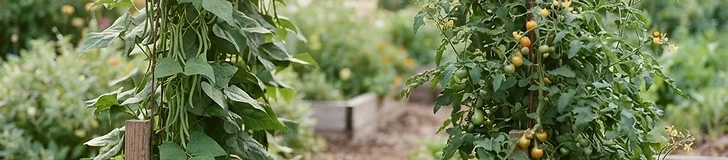
Maximize your garden space by constructing a sturdy, long-lasting cattle-panel trellis perfect for vining beans and heavy indeterminate tomatoes.
Transforming your garden into a high-yield space is easier than you think. This guide explains how to use a standard metal cattle panel to create a durable, arching support structure that turns your vining crops into a vertical harvest.
Supplies and Safety To build a single 16-foot arch, you will need a 16-foot by 50-inch cattle panel, two 6-foot T-posts, a sledgehammer, and heavy-duty zip ties. Always wear work gloves when handling cattle panels, as the cut ends can be sharp.
Step-by-Step Installation 1. Drive your T-posts into the ground exactly 8 feet apart, ensuring they are sturdy and vertical.
- Place one end of the cattle panel against a T-post and begin to bend the panel toward the second post.
- As you push the panel into an arch, secure it firmly to the T-posts using zip ties or heavy wire.
- Ensure the structure is stable before planting.
Pro Tip: If you live in USDA zones 4–7, orient your trellis north-to-south to ensure that both sides of the arch receive equal sunlight throughout the day, preventing uneven growth.
Training Your Crops For Phaseolus vulgaris (green beans) or indeterminate Solanum lycopersicum (tomatoes), wait until the plants are roughly 6–8 inches tall before guiding them to the metal grid. Use soft garden twine to loosely tie the main stems to the wire as they climb. This prevents the weight of heavy fruits from snapping the vines during summer thunderstorms.
Managing Heavy Fruits Indeterminate varieties can reach 6–8 feet in height. Because cattle panels provide a strong anchor, you can easily add supplemental support hooks for large tomato clusters. Check your trellis weekly when temperatures exceed 80°F, as rapid mid-summer growth often requires additional tucking to keep vines climbing straight up.
Seasonality and Care Unlike wood, cattle panels won't rot. At the end of the season, simply snip the zip ties, pull the T-posts, and lean the panel against a fence or shed. The galvanized finish will last for decades, providing a reliable home for your climbing vegetables year after year. With this simple structure in place, you are ready to enjoy a bumper crop of vertical veggies all season long.